
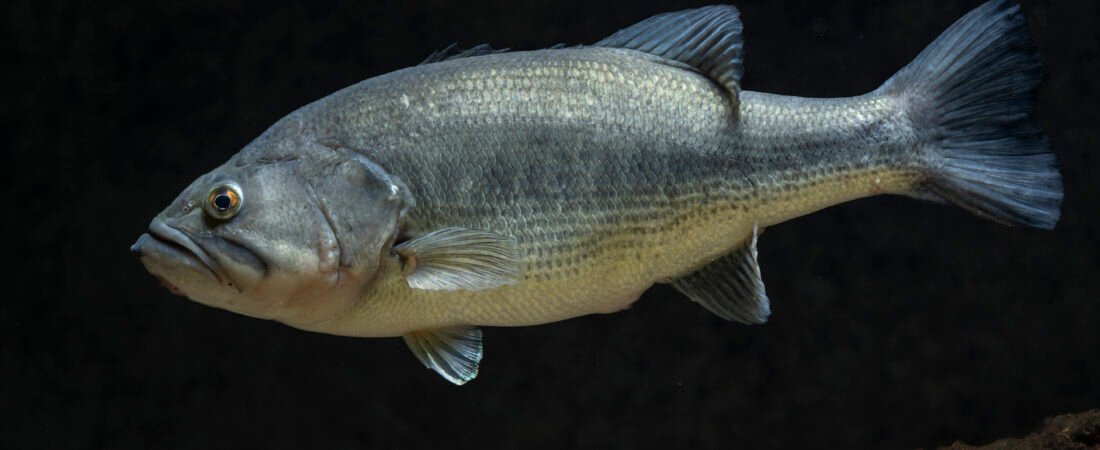
Largemouth and striped bass turn up in the same reservoirs constantly, but they are not close relatives and fishing for one takes little from fishing the other. Stripers grow far larger, hunt in open-water schools instead of ambushing from cover, and generally demand heavier tackle than a largemouth angler is used to carrying.

Why Do Largemouth and Striped Bass Share So Many Reservoirs?
Striped bass are naturally saltwater and anadromous fish, native to the Atlantic coast and the rivers that feed it, but landlocked populations have been deliberately stocked into large freshwater reservoirs across the country for decades specifically because they grow big, fight hard, and help control overpopulated shad. Largemouth bass are already established in nearly every one of those same reservoirs as the resident warm-water gamefish, so the two end up sharing water constantly even though neither species evolved anywhere near the other historically. This overlap is entirely a product of stocking decisions, not a natural ecological relationship.
| Feature | Largemouth Bass | Striped Bass |
|---|---|---|
| Family | Sunfish (Centrarchidae) | Temperate bass (Moronidae) |
| Typical size | 1-3 lb average, 22 lb 4 oz record | 10-30+ lb landlocked, up to 77 lb in saltwater |
| Hunting style | Solitary ambush predator near cover | Open-water schooling predator |
| Typical tackle | Medium spinning/baitcasting gear | Heavy conventional or baitcasting gear |
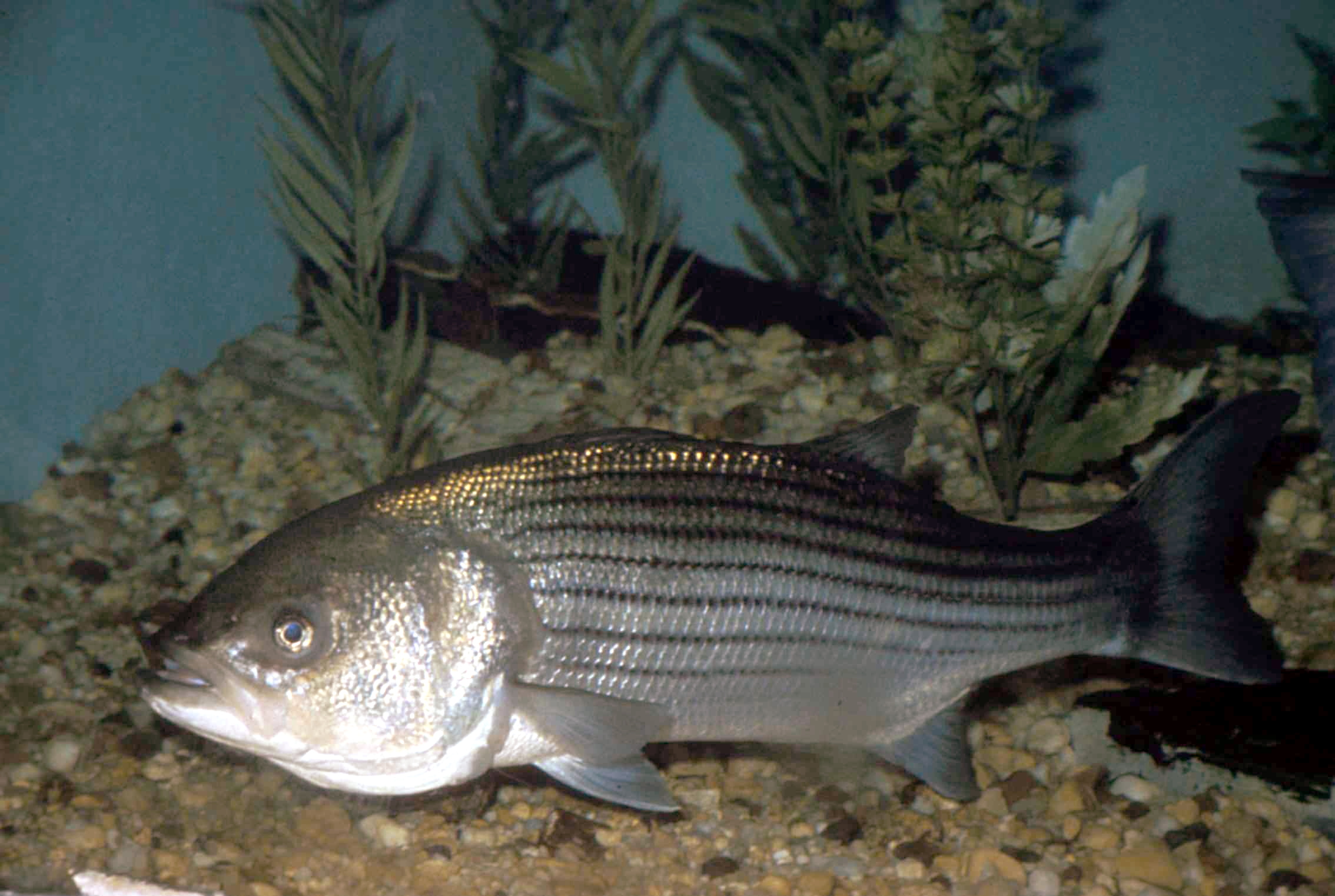
| Body | Olive green, blotchy stripe, deep body | Silvery, bold unbroken stripes, elongated body |
How Much Bigger Do Striped Bass Get?
Considerably bigger. A typical largemouth bass runs 1 to 3 pounds, with anything over 8 pounds a genuine trophy and the all-tackle world record standing at 22 lb 4 oz. Landlocked striped bass in freshwater reservoirs regularly reach 10 to 30 pounds and can exceed that, while true saltwater stripers can top 70 pounds. Even a modest landlocked striper is likely to outweigh an excellent largemouth, and anglers who hook a big striper on largemouth-weight tackle by mistake often lose the fight simply because their gear was not built for that kind of sustained power.
Do They Hunt and Fight Differently?
Very differently. Largemouth bass are solitary ambush predators that hold tight to weeds, wood, or docks and explode outward at passing prey, a hunting style built around short bursts of speed rather than sustained pursuit. Striped bass hunt in open water, often in schools, actively chasing down baitfish like shad in the middle of a lake or reservoir, sometimes visible from the surface as feeding “boils” where a school pushes bait to the top. That difference in hunting style carries straight into the fight: a hooked largemouth tends to make a hard initial run and headshake before tiring, while a striped bass, especially a larger one, fights with sustained power and stamina that outlasts a largemouth of comparable weight by a wide margin.
Do You Need Different Tactics to Target Each Species?
Largemouth fishing centers on precision casting to specific visible cover, weed edges, docks, laydowns, with a wide range of finesse and power presentations matched to that structure. Striped bass fishing centers more on covering water and locating schools, often using live bait like shad or herring, trolling, or casting into visible surface-feeding activity rather than picking apart individual pieces of cover. An angler targeting largemouth all morning who suddenly spots a striper school busting bait on the surface usually needs a completely different rod, heavier line, and a faster, larger presentation to have a real shot at hooking up.
Frequently Asked Questions
Are largemouth bass and striped bass related?
No. Largemouth bass belong to the sunfish family Centrarchidae, while striped bass belong to the temperate bass family Moronidae. They share the common name “bass” but are not closely related.
Why are striped bass found in freshwater lakes if they’re saltwater fish?
Striped bass are naturally anadromous, but many freshwater reservoirs have been deliberately stocked with landlocked striped bass populations for decades, specifically for their size, fight, and ability to control overpopulated shad.
Which fights harder, largemouth or striped bass?
A larger striped bass generally fights with more sustained power than a largemouth of similar or even greater weight, thanks to its build and open-water hunting style.
Do I need different tackle for striped bass than largemouth bass?
Usually, yes. Striped bass, especially landlocked fish over 10 pounds, typically require heavier line and stronger rods than standard largemouth gear to handle their size and sustained fighting power.