
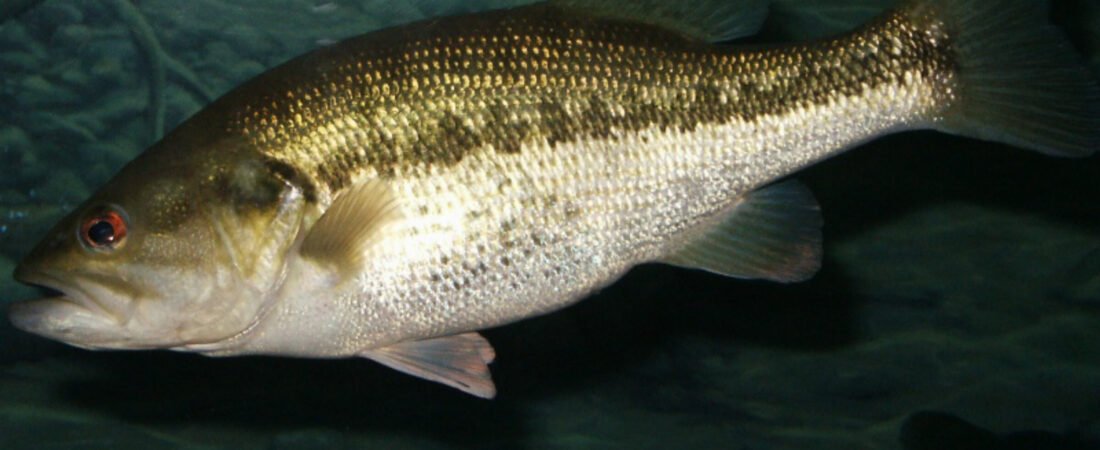
Largemouth bass can spend up to 90 percent of their summer activity feeding at night once water temperatures climb above 70 degrees, moving shallow under cover of darkness to hunt with far less caution than they show during the day. For anglers willing to fish after dark, that shift often means bigger, more aggressive fish and far less competition from other boats.

Night Fishing Snapshot
Why Do Largemouth Bass Feed More Aggressively at Night?
Heat and pressure are the two biggest drivers. In summer, surface and shallow water temperatures that would push bass into a sluggish, deep-holding pattern during the heat of the day cool considerably after dark, pulling fish back into the shallows to feed in more comfortable conditions. Darkness also strips away much of the caution bass show during daylight hours, since reduced visibility cuts both ways, making the bass harder to see but also making the bass itself feel less exposed, which translates into fish willing to move shallower and strike more aggressively than they would under bright sun. Reduced boat traffic and angling pressure after dark adds a third factor: night-caught bass on heavily fished lakes are often simply less educated to lures than the same fish would be during a busy daytime weekend.
What Lure Colors and Types Work Best After Dark?
Dark, solid colors, black, black and blue, and dark purple, consistently outproduce natural or translucent colors at night, since a bass’s low-light vision reads a strong, unbroken silhouette against the sky far better than it reads color or fine detail. As light drops, the color-sensing cells in a bass’s eye recede while the light-gathering rods move forward, meaning contrast and shape matter far more after dark than the precise color an angler can barely see anyway. Lures with strong vibration or a loud, distinct profile, black spinnerbaits with oversized blades, black buzzbaits, and dark rubber worms or jigs, give a bass’s lateral line and low-light vision something unmistakable to key in on, which matters more at night than at any other time of day.
How Does Moon Phase Affect Night Fishing for Bass?
The two extremes call for different tactics. Around a new moon, with almost no ambient light, bass hunt primarily by vibration and sound, favoring louder, more disruptive lures worked with a steady, locatable cadence. Around a full moon, enough light reaches the shallows that bass hunt more visually, sometimes actively chasing baitfish near the surface the way they would at dusk, which opens the door to topwater lures and a slightly more natural presentation than the new-moon approach requires. Many experienced night anglers plan trips specifically around the days surrounding a full moon for this more active, visually driven bite.
What Safety Precautions Matter for Night Fishing?
Night fishing carries real risks that daytime fishing does not: navigation hazards become far harder to see, other boat traffic is harder to spot and avoid, and a simple slip or fall is more dangerous without daylight to react quickly. A reliable headlamp, a fully charged phone, a properly functioning navigation light setup on any boat, and fishing with a partner rather than alone are all standard precautions serious night anglers treat as non-negotiable rather than optional. Familiarity with the specific water being fished matters far more at night, since hazards invisible in the dark are often obvious and easily avoided in daylight.
Frequently Asked Questions
Is night fishing actually better for largemouth bass than day fishing?
Often, yes, particularly in summer heat, since bass become more active and less cautious after dark while facing less angling pressure than during a typical daytime weekend on a popular lake.
What color lures work best for bass at night?
Dark, solid colors like black, black and blue, and dark purple work best, since they create a strong silhouette a bass’s low-light vision can pick out far more easily than natural or translucent colors.
Does moon phase matter for night bass fishing?
Yes. New moons favor loud, vibration-heavy lures since bass hunt mostly by feel in near-total darkness, while full moons provide enough light for bass to hunt more visually, sometimes even striking topwater lures.
Is night fishing for bass safe?
It can be, with the right precautions: a headlamp, working boat navigation lights, familiarity with the water being fished, and ideally a fishing partner rather than going out completely alone.