
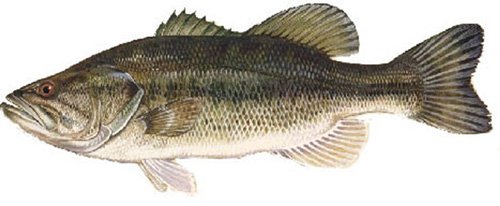
Largemouth bass has an underrated reputation at the table, not a deserved poor one. Blind taste tests and side-by-side fry-ups regularly show people cannot reliably tell properly prepared bass apart from crappie or walleye, yet bass still gets treated as a lesser eating fish across much of American angling culture.

Why Does Largemouth Bass Have a Mixed Reputation as Table Fare?
The reputation problem is cultural more than culinary. Largemouth bass built its identity almost entirely around competitive and recreational sport fishing, catch-and-release tournaments, trophy culture, a fight-first reputation, in a way species like walleye and crappie never did, and that sportfish identity crowded out any parallel reputation as good eating. Bass caught from poor-quality water, warm, shallow, algae-heavy lakes the species tolerates far better than most gamefish, can genuinely taste muddy or off, and those experiences get repeated as if they represent the species everywhere rather than a water-quality problem specific to where that particular fish came from.
How Does Largemouth Bass Actually Compare to Walleye, Crappie, and Catfish?
Directly, and often favorably. Crappie has a lighter, more delicate flavor and flakier texture than bass, but the difference shrinks considerably once both are fried or prepared the same way, with several documented cases of anglers unable to distinguish the two in a blind taste test. Walleye carries a similar mild, white-flesh reputation to bass and the two are frequently rated comparably by anglers who have eaten both prepared identically. Catfish, particularly from warmer, murkier water, tends to carry a stronger, more distinct flavor than bass, meaning bass generally reads as milder rather than worse in a direct comparison. The consistent theme across angler reports and informal comparisons is that preparation and water source explain far more of the taste difference between these species than the species itself does.
| Fish | Flavor Relative to Bass | Texture Relative to Bass |
|---|---|---|
| Crappie | Slightly milder | Slightly flakier, more delicate |
| Walleye | Comparable, both mild | Comparable, firm and flaky |
| Catfish | Noticeably stronger | Denser, less flaky |
Do Regional and Cultural Attitudes Toward Eating Bass Differ?
Considerably. In parts of the South, particularly where crappie and catfish carry stronger culinary traditions, largemouth bass is more often treated as a sportfish to release than a fish to fry, and some anglers who happily eat crappie from the same lake would never consider keeping a bass. In other regions, and among anglers with less attachment to bass-specific tournament culture, keeping a legal, mid-sized bass for the table draws no particular objection or stigma. Neither attitude reflects an actual difference in eating quality, since the fish itself does not taste different depending on which region’s anglers are more or less willing to eat it, the difference is entirely about local fishing culture and tradition rather than the meat.
Is There a Real Downside to Eating Largemouth Bass Compared to Other Fish?
The most legitimate downside is not flavor, it’s mercury. As a predatory fish that eats other fish throughout its life, largemouth bass accumulates more mercury over time than smaller panfish like crappie or bluegill that feed lower on the food chain, meaning consumption guidance is often more conservative for bass than for some other popular freshwater species, particularly larger, older individuals. That is a genuine, science-backed reason to moderate bass consumption, especially for children and pregnant women, and a more defensible basis for caution than the taste-based reputation the species is more commonly criticized for.
Frequently Asked Questions
Is largemouth bass actually bad to eat?
No. Properly prepared largemouth bass compares favorably to crappie, walleye, and catfish in most taste comparisons. Its mixed reputation comes more from sport-fishing culture and occasional fish from poor water than from the species itself.
Does largemouth bass taste worse than crappie or walleye?
Not meaningfully. Crappie is slightly milder and flakier, but blind taste tests often show people cannot reliably tell the two apart once cooked the same way. Walleye and bass are frequently rated comparably.
Why do some anglers refuse to eat largemouth bass?
Mostly cultural. Bass built its reputation around sport fishing and catch-and-release tournament culture rather than a culinary tradition, so many anglers treat it as a fish to release rather than eat, independent of actual taste.
What is the real downside to eating largemouth bass?
Mercury, not flavor. As a predatory fish, largemouth bass accumulates more mercury over its lifetime than smaller panfish, which is a legitimate, science-based reason for moderation, especially with larger fish.