
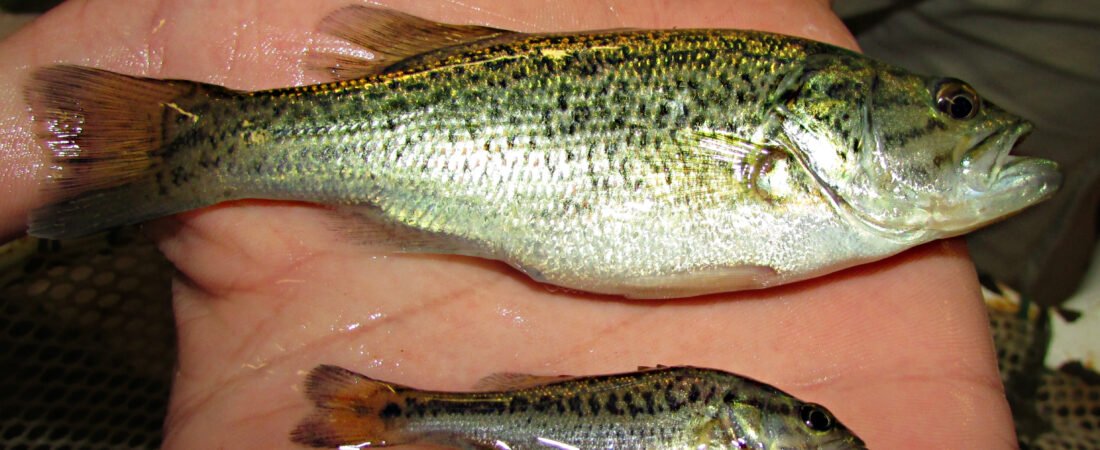
The scientific name of the largemouth bass is Micropterus salmoides, first assigned by French naturalist Bernard Germain de Lacepede in 1802. Micropterus comes from Greek for “small fin,” and salmoides is Latin for “trout-like,” a name that has puzzled anglers for over two centuries since the fish looks nothing like a trout.

What Is the Full Taxonomic Classification of the Largemouth Bass?
Taxonomy of Micropterus salmoides
This places the largemouth bass firmly within the sunfish family alongside bluegill and crappie, and within the black bass genus alongside smallmouth, spotted, and several range-restricted relatives.
Who First Described and Named the Largemouth Bass?
Bernard Germain de Lacepede, a French naturalist working from preserved specimens rather than live fish, formally described the species in 1802 and originally placed it in the genus Labrus, calling it Labrus salmoides. Over the following century the classification bounced between several proposed genera and names as ichthyologists reworked North American fish taxonomy, including a period as Micropterus nigricans in 1876 and Micropterus pallidus in 1878, before naturalist Stephen Forbes settled the modern combination Micropterus salmoides in 1884, which stood as the accepted name for both northern and Florida populations for more than a century afterward.
What Does “Micropterus Salmoides” Actually Mean?
The genus name Micropterus combines the Greek mikros (small) and pteron (fin or wing). It is something of a taxonomic misnomer: Lacepede coined it based on a damaged specimen with a torn dorsal fin that appeared unusually small and separated, not because largemouth bass genuinely have small fins relative to other sunfish. The species name salmoides is Latin for “trout-like” or “salmon-like,” likely a reference to the fish’s general elongated body shape and speckled juvenile coloration rather than any close relationship to actual trout or salmon, which belong to a completely different fish order.
Why Was the Largemouth Bass Split Into Two Species in 2022?
In 2022, a genome-wide study published in Scientific Reports and led by researchers including a Yale-affiliated team analyzed 394 samples across the native range of Micropterus and found that the fish long lumped together as “largemouth bass” actually represent two genetically distinct lineages. The Florida population, concentrated in peninsular Florida, retained the name Micropterus salmoides. The more widespread northern lineage, ranging from the Gulf Coast north through the Mississippi basin and Great Lakes, was reassigned to Micropterus nigricans, reviving a name Cope had proposed in 1870 that had been treated as a synonym for well over a century. The split was based on genetic divergence significant enough to warrant species-level separation, not merely subspecies status as had been used since 1949 for the “Northern” and “Florida” largemouth subspecies. Despite the taxonomic change, state agencies, tournament organizations, and most anglers continue to use “largemouth bass” as the common name for both.

How Is the Largemouth Bass Related to Smallmouth and Spotted Bass?
All three are placed in the same genus, Micropterus, making them closer relatives to each other than to any fish outside that genus, including other sunfish like bluegill. Genetic and fossil evidence suggests the black bass lineage has existed in North America for roughly 26 million years, gradually diversifying into today’s dozen-plus recognized species and subspecies as populations became isolated in separate southeastern river drainages. Largemouth bass diverged early and became the most widely distributed member of the genus, while several of its cousins, including Suwannee, shoal, and Bartram’s bass, remain confined to single river systems and are considered range-restricted or vulnerable.
Did the 1949 Subspecies Names Disappear Completely?
Not exactly, they were absorbed into the newer framework. Before the 2022 genetic study, biologists had recognized two subspecies since 1949: the Northern largemouth bass (Micropterus salmoides salmoides) and the Florida largemouth bass (Micropterus salmoides floridanus), a distinction wildlife agencies still use informally today because Florida-strain bass grow faster and larger than northern-strain fish, which is why many southern states stock Florida-strain fingerlings specifically to boost trophy potential. The 2022 study effectively confirmed that these two populations were genetically distinct enough to warrant full species status rather than a subspecies label, but it did not invalidate the practical, decades-old understanding that Florida-strain and northern-strain largemouth bass behave and grow differently. State hatchery and stocking programs still track “Florida strain” versus “northern strain” bass by lineage for management purposes, regardless of which side of the 2022 taxonomic line a given population now falls on.
Does the 2022 Species Split Change Anything for Anglers?
In practical terms, almost nothing. Fishing regulations, record books, and everyday conversation still use “largemouth bass” as a single, unified common name covering both Micropterus salmoides and Micropterus nigricans, the same way “black bass” continues to cover the whole genus in most state regulations. The IGFA world record books have not created a separate category for the two lineages, and no state wildlife agency has rewritten its bag limits to distinguish between them. The split matters primarily to researchers studying genetic diversity, conservation status, and the effects of decades of interstate stocking, which mixed Florida-strain and northern-strain genetics in many U.S. lakes long before anyone had the DNA tools to formally separate the two populations.
Frequently Asked Questions
What is the scientific name of the largemouth bass?
Micropterus salmoides, assigned in its modern form by Stephen Forbes in 1884, though the species was first described by Lacepede in 1802 under a different name.
What does Micropterus salmoides mean in English?
Roughly “small-finned, trout-like fish.” Micropterus is Greek for small fin, based on a damaged specimen with a torn dorsal fin, and salmoides is Latin for trout-like.
Is the largemouth bass one species or two?
As of a 2022 genetic study, taxonomists now recognize two species: Micropterus salmoides (Florida bass) and Micropterus nigricans (the more widespread northern largemouth). Most anglers still call both “largemouth bass.”
Is a largemouth bass more closely related to smallmouth bass or bluegill?
Smallmouth bass. Both are in the genus Micropterus, while bluegill belongs to a different genus within the same broader sunfish family.