
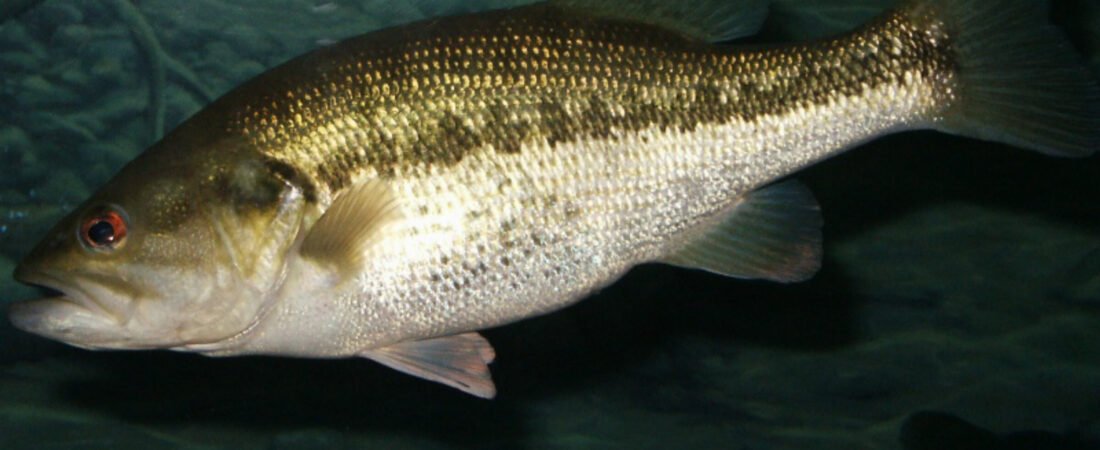
Experienced bass anglers rarely out-fish beginners through secret lures. They out-fish them through boat position, bait feel, and patience, three skills that only come from time on the water rather than tackle purchases.

What Separates an Experienced Bass Angler From a Beginner?
It is rarely lure selection. Most experienced anglers fish a small rotation of confidence baits they know intimately rather than constantly switching tackle, and their edge comes from what they do with those baits: precise casts that land within inches of cover rather than near it, a retrieve that reacts to what they feel through the line rather than following a fixed pattern, and boat or wading position that keeps them from spooking fish before a cast is even made. Beginners tend to focus entirely on the lure in the water; experienced anglers spend as much attention on everything around that lure.
Boat and body position matter before the first cast. Approaching a target from an angle that lets the lure fall naturally into cover, and staying far enough back to avoid spooking shallow fish with noise or shadow, often determines whether a spot produces before the lure ever hits the water.
Feel separates a bite from a snag. A largemouth bite often feels like nothing more than slight extra weight or a subtle tick rather than a hard thump, and experienced anglers learn to set the hook on that ambiguous feeling rather than waiting for certainty that may never come.
Retrieve speed gets adjusted constantly, not set once. Water temperature, recent weather, and fish mood all shift through a single day, and anglers who slow down or speed up in response consistently outfish those running one retrieve speed all day regardless of conditions.
Confidence in one bait beats indecision across ten. Constantly switching lures after only a few casts rarely allows enough time in the strike zone to actually draw a bite, while sticking with a well-fished bait through a reasonable window lets an angler cover water methodically and read the results.
Subtle cover gets fished, not just obvious cover. A single stray reed, a slight color change in the water, or a barely visible stump often holds fish that every angler fishing only the obvious dock or weed line will miss entirely.
Stealth matters more in clear, shallow water than most beginners assume. Loud footsteps on a boat deck, a trolling motor on high speed, or a shadow crossing a shallow flat can put largemouth on alert well before a lure arrives, especially on heavily pressured water.
How Do Experienced Anglers Read Water They’ve Never Fished?
They look for the same handful of cues regardless of the lake: a clear edge between two habitat types, weed line meeting open water, rock transitioning to sand, deep water meeting shallow, since largemouth bass concentrate along transitions far more than in the middle of any single uniform habitat type. Wind blowing into a bank, current breaks, and any visible baitfish activity all get fished first, on the logic that forage location predicts predator location. This pattern-based approach, rather than blind casting, is what lets an experienced angler catch fish on unfamiliar water almost as quickly as on a home lake.
Why Do Some Anglers Consistently Catch Bigger Fish, Not Just More Fish?
Targeting bigger fish specifically usually means fishing larger, more intimidating baits and slower presentations that smaller, less mature bass are less likely to commit to, along with focusing time on the specific types of cover and depth that correlate with trophy-class fish on a given body of water rather than fishing water indiscriminately. It also means accepting fewer total bites in exchange for a better average size, a tradeoff many anglers focused purely on action are unwilling to make.
Frequently Asked Questions
What is the biggest mistake beginner bass anglers make?
Setting the hook incorrectly, either too hard and too soon or not reacting at all to subtle bites, is one of the most common issues, along with constantly switching lures before giving any single bait enough time to work.
Do experienced anglers use secret lures beginners don’t know about?
Rarely. Most experienced anglers fish a small, familiar rotation of proven baits. Their edge comes from presentation, boat position, and feel rather than exotic tackle.
How do experienced anglers find fish on a new lake?
They look for transitions between habitat types, weeds meeting open water, deep meeting shallow, wind-blown banks, and visible baitfish activity, since largemouth bass concentrate along these edges more than in uniform water.
How can I catch bigger bass, not just more bass?
Fish larger baits and slower presentations, and focus time on the specific cover and depth ranges known to hold bigger fish on a given lake, accepting fewer total bites in exchange for a better average size.