
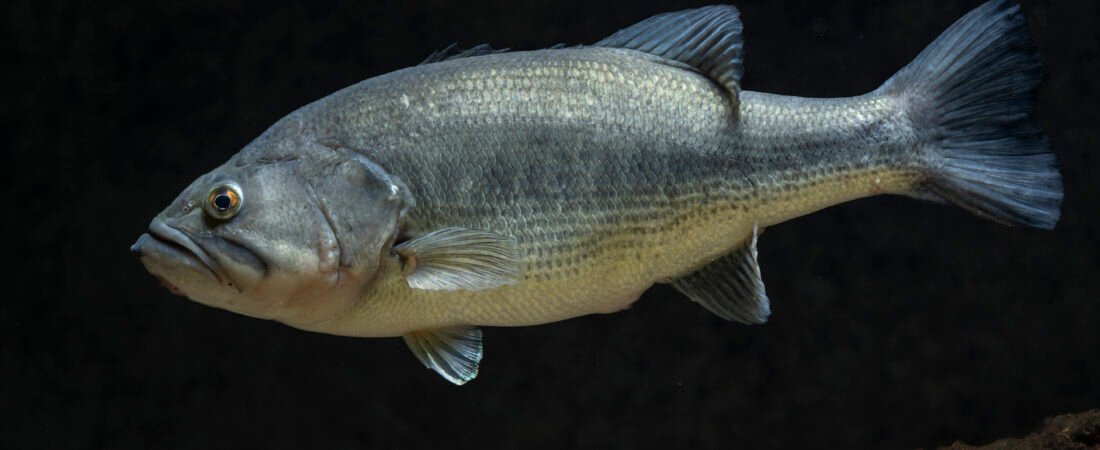
Yes, largemouth bass are fully legal and safe to eat where local regulations allow harvest, with mild, firm, white flesh that holds up well to most cooking methods. Whether it’s actually worth keeping one depends mostly on the fish’s size and the water it came from, not on the species itself.

Eating Snapshot
What Does Largemouth Bass Actually Taste Like?
Properly cleaned largemouth bass has a mild, slightly sweet flavor and a firm, flaky, white flesh that most people find comparable to other popular panfish and freshwater gamefish, with a more pronounced flavor than crappie but noticeably milder than catfish. It is not an oily or strongly “fishy” tasting fish when handled correctly, which is one reason it works well for people who otherwise avoid fish with a heavier flavor profile. The texture holds together reasonably well through most cooking methods without falling apart the way some more delicate white fish can.
Why Does the Taste Vary So Much From Lake to Lake?
Water quality and temperature are the two biggest variables. Bass pulled from clean, cool, well-oxygenated water, particularly deeper water below about 15 feet, consistently taste better than bass from warm, shallow, algae-heavy, or muddy-bottomed water, where the flesh can pick up an earthy or “muddy” off-flavor from compounds produced by certain algae and bacteria common in that kind of habitat. This is a real, documented phenomenon that affects many freshwater fish, not something specific to largemouth bass or a flaw in the species itself, but because largemouth bass tolerate exactly the kind of warm, weedy, murky water that produces the strongest off-flavors, they get flagged for it more often than fish that avoid that water entirely.
Does Fish Size Change How Good It Tastes?
Yes, meaningfully. Fish in the roughly 8 to 15 inch range, translating to about three-quarters of a pound to two pounds, are generally considered the best eating size, offering good-sized fillets without the stronger flavor and coarser texture that tends to develop in older, larger bass. Larger, trophy-class bass have had more years to accumulate mercury and tend to carry a stronger, sometimes muddier flavor as a result of their age and diet, which is a major reason many anglers who do keep bass to eat release the biggest fish specifically and keep only mid-sized ones instead.
So Is It Worth Keeping a Largemouth Bass to Eat?
For a mid-sized fish from clean water, yes, it is a genuinely good-eating freshwater fish worth keeping if local regulations allow it and the angler has a use for it. For a trophy-class fish, the calculation usually favors release rather than the table, both because the fish’s reproductive value to the population outweighs one meal and because a large, older bass is statistically more likely to carry a stronger flavor and higher mercury content than a smaller fish. Always check the local fish consumption advisory for the specific body of water before deciding to keep any fish for the table, since mercury and other contaminant levels vary significantly by location, not just by species.
Frequently Asked Questions
Is it safe to eat largemouth bass?
Yes, largemouth bass are legal and safe to eat where regulations allow harvest. As with any freshwater fish, check your local fish consumption advisory for mercury guidance specific to the water you fished.
What size largemouth bass is best to eat?
Roughly 8 to 15 inches, about three-quarters of a pound to two pounds, offers the best balance of usable fillet size and mild flavor, without the stronger taste and higher mercury levels found in larger, older fish.
Why do some largemouth bass taste muddy?
Fish from warm, shallow, algae-heavy, or muddy-bottomed water can pick up an earthy off-flavor from compounds produced by certain algae and bacteria, a phenomenon that affects many freshwater fish species in that kind of habitat, not just largemouth bass.
Should you keep or release a trophy-sized largemouth bass?
Most anglers release trophy-class bass rather than eating them, both to protect the fish’s reproductive value to the population and because larger, older fish tend to carry more mercury and a stronger flavor than mid-sized fish.