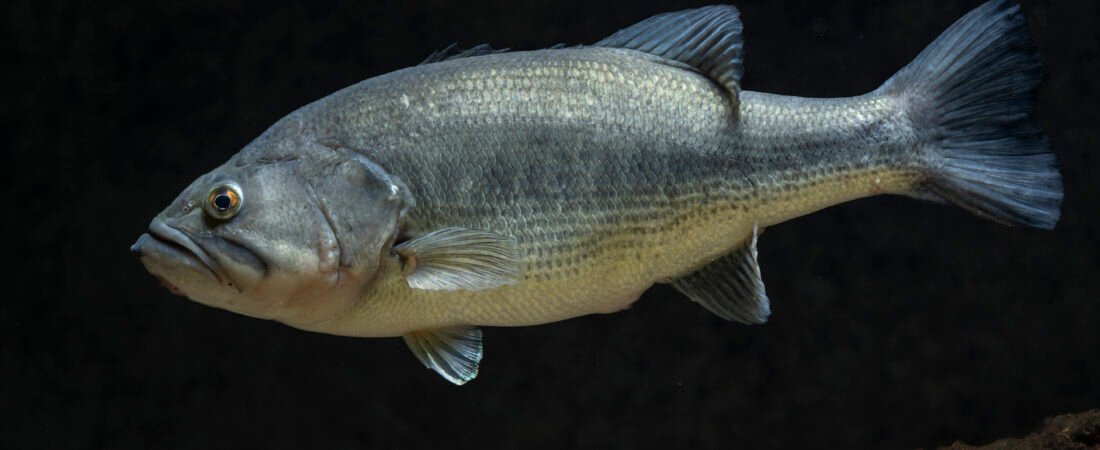
Within its native North American range, the largemouth bass is listed as a species of Least Concern by the IUCN, with a large, stable population and no significant threats. That healthy status is not an accident; it reflects decades of active fisheries management, not simply a naturally resilient fish left alone.

Conservation Status Snapshot
Is the Largemouth Bass a Species of Conservation Concern?
No, not within its native range. The IUCN Red List classifies largemouth bass as Least Concern, citing a large, widely distributed population with a stable trend and no major identified threats. It carries no special status under the US Endangered Species Act and does not appear on any CITES appendix restricting international trade. This healthy status applies specifically to the species as a whole across its native and introduced US range; it says nothing about the very different picture in places where largemouth bass have been introduced outside North America and are managed as an invasive species instead, a separate topic covered in more depth elsewhere on this site.
How Do State Wildlife Agencies Actively Manage Largemouth Bass Populations?
Management goes well beyond simply setting a bag limit and leaving the rest to chance. Slot limits, rules protecting a specific size range of fish from harvest, are widely used specifically to protect the bass most valuable to a population’s reproductive capacity, generally larger, more fecund females, while still allowing harvest of smaller fish. Stocking programs supplement wild reproduction in waters where natural recruitment is insufficient, and in many southern and western states, Florida-strain fingerlings are specifically stocked to boost trophy potential in addition to overall population health. Habitat management, maintaining or restoring the vegetation, woody structure, and water quality largemouth bass depend on, works alongside harvest regulations as a less visible but equally important tool, since regulations alone cannot sustain a population in degraded habitat.
What Role Does Catch-and-Release Culture Play in Population Health?
A substantial one, particularly for maintaining older, larger fish within a population. Widespread catch-and-release practice, driven heavily by tournament fishing culture and a broader shift in how anglers view trophy fish, allows individual bass to survive multiple years of fishing pressure that would otherwise have ended in harvest, which measurably shifts a lake’s age structure toward older, larger fish over time. This voluntary angler behavior functions as an informal but genuinely significant conservation tool, operating alongside, not instead of, formal regulations, and several fisheries researchers point to catch-and-release adoption as a major factor in the general improvement of trophy-bass fisheries across many US states in recent decades.
Does Genetic Diversity Matter for Largemouth Bass Conservation?
Yes, and it is an area of ongoing management attention distinct from simple population numbers. Decades of interstate stocking mixed Florida-strain and northern-strain genetics across many US lakes long before the tools existed to track that mixing precisely, and the 2022 genetic study splitting the species into two, discussed in more detail elsewhere on this site, has renewed interest in understanding how that historical mixing affects genetic diversity and long-term population resilience. Fisheries agencies increasingly track strain lineage in stocking programs specifically to manage this genetic dimension, not just raw fish counts, when planning future stocking efforts.
Frequently Asked Questions
Is largemouth bass endangered?
No. The IUCN lists largemouth bass as Least Concern within its native range, with a large, stable population and no significant threats. It has no special status under the US Endangered Species Act.
How do slot limits help largemouth bass populations?
Slot limits protect a specific size range, usually larger, more reproductively valuable fish, from harvest while still allowing anglers to keep smaller bass, helping maintain a healthier age structure in a population.
Does catch-and-release fishing actually help bass populations?
Yes, meaningfully. Widespread catch-and-release practice allows more bass to survive to older, larger ages than harvest-focused fishing would, which fisheries researchers credit as a major factor in improved trophy-bass fisheries in many states.
Are largemouth bass regulations the same in every state?
No. Bag limits, size limits, and slot rules are set at the state level, and sometimes customized further for individual lakes, based on local population density, growth rates, and management goals.