
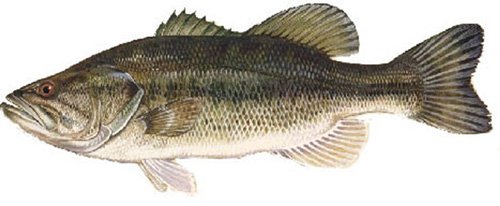
Catching largemouth bass consistently comes down to three things: matching your lure to the season and water clarity, working it through or along real cover rather than open water, and slowing down more often than instinct suggests. Everything else is refinement on top of that foundation.

What Tackle Do You Need to Start Catching Largemouth Bass?
A medium to medium-heavy baitcasting or spinning rod in the 6.5 to 7 foot range covers the large majority of largemouth situations, paired with 10 to 17 pound monofilament or fluorocarbon line for open water and 30 to 65 pound braided line when flipping heavy vegetation or wood. Spinning gear is easier to learn on and handles lighter lures better; baitcasting gear gives more control and casting accuracy once the technique is familiar, and most serious bass anglers eventually run both depending on the lure. Beyond the rod and reel, a small assortment of hooks, weights, and a pair of needle-nose pliers for hook removal rounds out the basics.
Which Lures Actually Work for Largemouth Bass?
Lure choice should follow water clarity and cover, not personal preference alone. Soft plastic worms, creature baits, and jigs fished slow along the bottom excel around wood, rock piles, and weed edges, especially when bass are inactive or the water is cold or gin clear. Spinnerbaits and chatterbaits, which combine flash and vibration, cover water quickly and work well in stained water or around scattered cover where a slower bait would take too long to fish thoroughly. Crankbaits are the search tool of choice for open water and submerged structure, letting an angler cover a flat or point fast to locate active fish. Topwater lures, frogs, poppers, and walking baits, excel at dawn and dusk and around matted vegetation, producing some of the most explosive strikes in freshwater fishing when conditions align.
| Situation | Best Lure Type | Why |
|---|---|---|
| Heavy vegetation, matted grass | Topwater frog, punch rig | Slides over or punches through cover other baits snag on |
| Clear water, pressured fish | Finesse worm, drop shot | Subtle presentation fools wary bass |
| Stained or murky water | Spinnerbait, chatterbait | Vibration and flash locate fish by feel, not sight |
| Open flats, points, submerged structure | Crankbait | Covers water fast to find active fish |
| Dawn, dusk, calm surface | Topwater walking bait or popper | Matches low-light feeding activity near the surface |
How Does Lure Choice Change With the Seasons?
Spring pulls bass shallow as they stage for and complete the spawn, making moderate-depth soft plastics, spinnerbaits, and shallow crankbaits around spawning flats and adjacent cover especially productive. Summer heat pushes bass either deeper or into the thickest available shade and vegetation during the day, with early morning and late evening topwater windows opening up as temperatures cool. Fall triggers an aggressive feeding period as bass chase baitfish schools in preparation for winter, rewarding reaction baits like crankbaits and spinnerbaits fished with more speed than usual. Winter slows everything down; bass hold in deeper, more stable water and respond best to a slow, patient presentation, jigs and soft plastics worked methodically rather than reaction baits burned through the strike zone.
What Retrieve Speed and Technique Actually Trigger a Strike?
Matching retrieve speed to water temperature and bass activity level matters as much as lure selection. In cold or post-frontal conditions, a painfully slow retrieve, sometimes barely moving a soft plastic at all for several seconds at a time, consistently outproduces a fast one, since sluggish bass rarely chase. In warm water with actively feeding fish, a faster, more erratic retrieve that mimics a fleeing baitfish triggers reaction strikes reaction-bait fish would otherwise ignore. Erratic pauses, twitches, and changes of direction generally outperform a straight, steady retrieve regardless of lure type, since real prey rarely swims in perfectly straight lines.
Do You Need a Boat to Catch Largemouth Bass?
No. Bank fishing and kayak fishing both produce largemouth bass consistently, particularly on smaller lakes, ponds, and rivers where shoreline access reaches most of the productive water. A boat expands the water an angler can cover and reaches structure inaccessible from shore, which matters more on large reservoirs than on farm ponds or modest-sized lakes. Many of the biggest bass caught anywhere come from small, shore-accessible waters precisely because that water sees less overall fishing pressure than a heavily boated reservoir.
Frequently Asked Questions
What is the best all-around lure for largemouth bass?
A soft plastic worm or creature bait rigged Texas-style is the most versatile choice, effective around most types of cover in most seasons and conditions, which is why it remains a staple in nearly every serious bass angler’s tackle box.
What size rod and line do I need for largemouth bass?
A medium to medium-heavy rod around 6.5 to 7 feet with 10 to 17 lb line covers most situations, while heavier braided line in the 30 to 65 lb range is better suited to flipping thick vegetation or wood.
Do largemouth bass lures need to match the season?
Yes. Spring favors shallow, moderate-depth baits near spawning cover; summer favors early and late topwater windows; fall rewards faster reaction baits; winter calls for a slow, patient presentation in deeper water.
Can you catch largemouth bass from shore without a boat?
Yes, reliably. Bank and kayak fishing both work well, especially on smaller waters where shoreline access reaches most of the productive cover a boat would otherwise be needed to fish.