
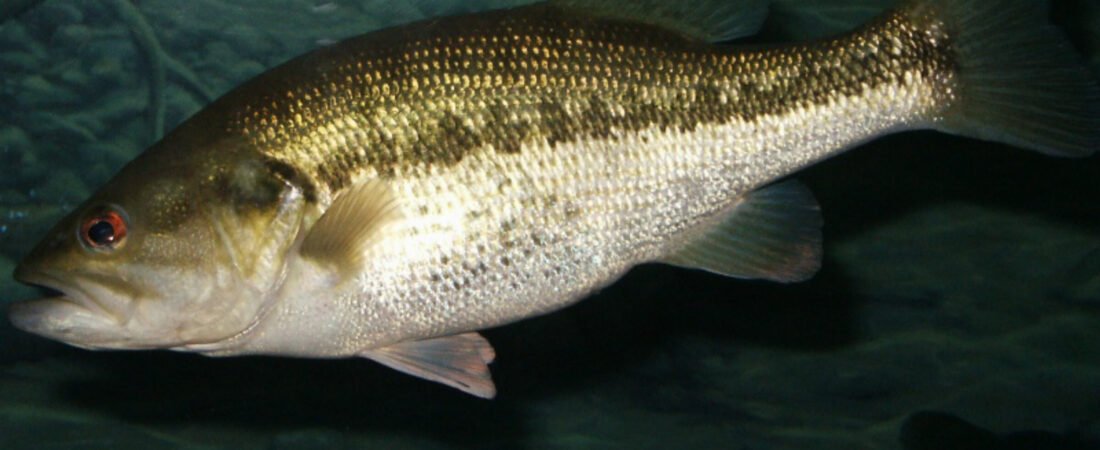
Largemouth bass spawn as early as January in Deep South states and as late as June or July in the northern US, entirely driven by when local water temperatures climb into the mid-60s. There is no single national spawn date, only a temperature trigger that arrives at wildly different calendar times depending on latitude.

What Water Temperature Triggers the Spawn?
Nest-site selection begins once water temperature reaches around 60 degrees Fahrenheit, with actual egg-laying typically occurring between 62 and 65 degrees, and peak spawning activity across a population generally falling between 65 and 75 degrees. Temperatures below that range delay the spawn regardless of the calendar date, and a late cold snap can push a population’s spawn back by days or weeks even after it has already begun, which is why spawn timing tracks water temperature far more reliably than it tracks the date on a calendar.
| Region | Typical Spawn Window | Example States |
|---|---|---|
| Deep South | January to March | Florida, Louisiana, southern Georgia, southern Alabama |
| Mid-South / Central | Late February to early May | Texas, Arkansas, Missouri, Tennessee |
| Mid-Atlantic / Transition | April to May | Virginia, North Carolina, Kentucky |
| Northern US | Late April to July | Wisconsin, Minnesota, Michigan, New York |
Do All the Bass in a Lake Spawn at Once?
No, and this is one of the most practically useful things to understand about spawn timing. Even within a single lake, the spawn typically unfolds in waves rather than everyone nesting simultaneously, with the largest, most dominant females often moving up first, followed by additional waves of smaller fish over the following weeks as conditions stay favorable. Shallow, sun-warmed coves and the north side of a lake, which receives more direct sun, tend to warm first and see the earliest spawning activity, while deeper or more shaded areas of the same lake can lag behind by a week or more. The full spawn cycle for a lake, spanning pre-spawn staging through the last wave of nesting fish, commonly stretches six to ten weeks depending on regional weather stability.
How Does Spawn Timing Change Bass Behavior for Anglers?
Behavior shifts predictably across three phases. In the pre-spawn period, as water starts warming but before nesting begins, bass stage in slightly deeper water adjacent to spawning flats and often feed aggressively to build energy reserves, making this widely considered one of the best windows of the year to target larger fish. During the spawn itself, males guard nests and females are either actively laying eggs or resting nearby, and while bedded fish can be sight-fished, many anglers deliberately avoid targeting fish on beds, since pulling a guarding male off a nest even briefly leaves eggs or fry vulnerable to opportunistic predators like sunfish and crayfish. In the post-spawn period, fish scatter, often feed less predictably for a stretch as they recover, and gradually settle back into their summer patterns over the following weeks.
Can Largemouth Bass Spawn More Than Once in a Season?
Individual females can lay eggs across more than one nest with different males within a single spawning season rather than mating just once, a pattern that, combined with the wave-like timing across a lake population, means viable largemouth eggs and fry can be present in a single body of water for well over a month even though any individual nest’s cycle from laying to fry dispersal takes only a couple of weeks.
Frequently Asked Questions
What month do largemouth bass spawn?
It depends entirely on latitude. Deep South states like Florida can see spawning as early as January, while northern states like Wisconsin and Minnesota may not see spawning until May, June, or even July.
What water temperature triggers the largemouth bass spawn?
Nest-building begins around 60 degrees Fahrenheit, egg-laying typically happens between 62 and 65 degrees, and peak spawning activity across a population generally occurs between 65 and 75 degrees.
Do all largemouth bass in a lake spawn at the same time?
No. Spawning happens in waves, with larger, dominant females often nesting first, followed by additional waves of fish over several weeks as conditions remain favorable.
Why do anglers avoid fishing for bedded bass during the spawn?
Pulling a guarding male off its nest, even briefly, leaves eggs or fry vulnerable to predators, and research has linked heavy angling pressure on nesting males to reduced spawning success.