
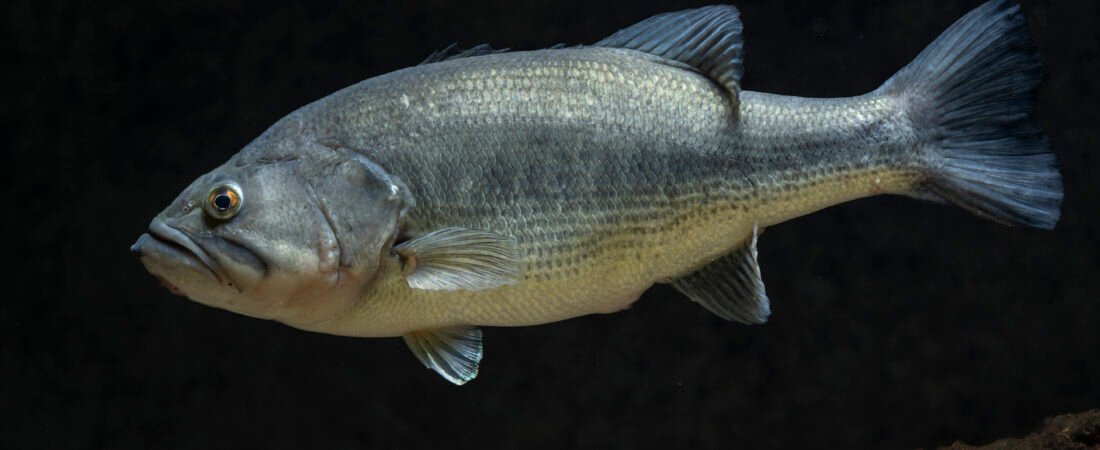
Largemouth bass live in lakes, rivers, reservoirs, farm ponds, and canals, but they behave differently in each. A bass in a farm pond has nowhere to go and little choice of cover, while the same species in a sprawling reservoir spreads across dramatically different zones depending on the season.

How Do Largemouth Bass Behave Differently in Lakes?
Natural lakes with shallow, weedy margins and gradually sloping bottoms give largemouth bass room to distribute across multiple depth zones at once, which is part of why lake fishing for bass often requires more searching than pond or river fishing. Bass favor water with several feet of depth over sandy or vegetated shallows for spawning, then relate to structure like weed lines, points, and drop-offs as water warms through the season. In a large natural lake, different bass can be found shallow, mid-depth, and deep simultaneously, making location as important as presentation on any given day.
How Are Rivers Different From Still Water for Largemouth?
Current changes everything. Largemouth bass avoid fighting fast-moving water directly, so in a river system they cannot simply suspend wherever they choose the way they might in a lake. Instead, they hold behind current breaks, points, downed trees, boulders, or bridge pilings that block the main flow, letting them conserve energy while waiting for food to wash past. Backwaters, oxbows, and slower side channels within a river system function almost like small lakes and often hold the highest densities of largemouth in an otherwise flowing system, since they offer the slack, weedy conditions largemouth prefer without the energy cost of constant current.
What Makes Reservoirs Different From Natural Lakes?
Reservoirs are engineered and typically deeper overall than natural lakes, with a submerged old river channel running through them and creek arms branching off into shallower coves. Largemouth bass in reservoirs concentrate disproportionately in the upper creek arms and bays, where shallower, weedier zones and standing or fallen timber provide the cover largemouth need, rather than the deep, open main-lake basin near the dam, which more often holds species like striped bass or deep-structure smallmouth and spotted bass instead. Reservoir water levels also fluctuate more than natural lakes due to dam management, which can expose or flood cover on a schedule tied to water management rather than season alone.
| Water Type | Typical Behavior | Best Cover to Target |
|---|---|---|
| Natural lake | Spread across multiple depths by season | Weed lines, points, drop-offs |
| River | Holds behind current breaks, avoids main flow | Downed trees, points, backwaters, oxbows |
| Reservoir | Concentrated in shallower creek arms and coves | Standing timber, submerged brush, coves |
| Farm pond | Confined to limited space and cover options | Deepest hole, any available structure |
| Canal / urban waterway | Relates heavily to man-made structure | Culverts, bulkheads, docks, bridge pilings |
How Do Farm Ponds and Small Waters Differ From Larger Systems?
Farm ponds and other small, closed waters force largemouth bass into a much simpler pattern than a lake or reservoir allows, since limited space and limited cover options mean bass have far fewer places to be at any given time. In a small pond, the single deepest hole and whatever structure exists, whether that is a dock, a brush pile, or a fallen tree, tend to concentrate a disproportionate share of the pond’s bass population, especially during temperature extremes. This is part of why farm ponds can be so productive for anglers who understand the pattern: instead of searching a sprawling reservoir, the fish-holding water in a small pond can often be identified within a few casts.
Frequently Asked Questions
What type of water body do largemouth bass prefer most?
No single type dominates. Largemouth bass thrive in lakes, reservoirs, rivers, ponds, and canals alike, provided the water is warm, has adequate cover, and does not have strong sustained current.
Where do largemouth bass hold in a river?
Behind current breaks such as downed trees, points, and boulders, or in slower backwaters and oxbows that function like small lakes, since largemouth avoid fighting fast-moving water directly.
Why do reservoir bass concentrate in creek arms?
Creek arms and coves offer the shallower, weedier, timber-filled habitat largemouth prefer, while the deeper open main-lake basin near the dam typically favors other species better suited to open, deep water.
Can largemouth bass live in small farm ponds?
Yes, and often thrive there. Limited space concentrates the population around the pond’s deepest hole and available cover, which can make locating fish easier than in a larger lake or reservoir.