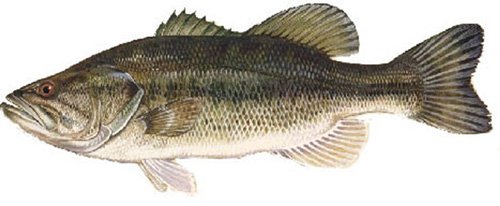
Florida produces the biggest largemouth bass in the world because of a genetic advantage layered on top of a near-perfect environment: a naturally larger-growing bass lineage living in warm water with a growing season that barely pauses. Neither factor alone explains it, the combination does.

Is There Really a Genetic Difference in Florida Bass?
Yes, a well-documented one. The bass native to peninsular Florida and parts of southern Georgia are a genetically distinct population, formally retaining the scientific name Micropterus salmoides after a 2022 genetic study split the wider largemouth bass complex, while the more widespread northern lineage was reassigned to Micropterus nigricans. Florida-strain fish carry a documented predisposition to grow larger than northern-strain fish under equivalent conditions, which is exactly why fisheries programs across the South and West have spent decades deliberately stocking Florida-strain fingerlings into lakes and reservoirs specifically to boost trophy potential, rather than relying on whatever native or previously stocked strain was already present.
Genetics set the ceiling. Florida-strain largemouth are biologically capable of reaching a larger maximum size than northern-strain fish raised in identical conditions, which is why the strain has been exported and stocked well outside its native range specifically for trophy management.
Growing season may matter even more than genetics. Research comparing regional bass populations has found that growing-season length explains more of the difference in growth rates between northern and southern bass than genetic strain alone, meaning climate is doing at least as much work as DNA.
Florida bass essentially never stop feeding. With water temperatures rarely dropping into a range that forces largemouth into winter dormancy, Florida bass can feed and grow across nearly the entire calendar year, while northern-strain fish in colder states lose months of growth time every winter.
Florida’s forage base is unusually rich. Extensive shallow, vegetated lakes across the state support abundant shad, sunfish, and crayfish populations, giving bass consistent access to the calories a long growing season alone cannot provide without enough food to convert into size.
Vegetation-rich lakes give bass ideal cover and hunting grounds. Florida’s naturally weedy, shallow lake systems match almost exactly what largemouth bass need structurally, ample ambush cover paired with a soft, productive bottom, rather than fighting against the habitat the way bass in some heavily developed or altered northern lakes sometimes have to.
State management actively protects trophy fish. Programs like TrophyCatch specifically incentivize catch-and-release of the biggest bass rather than harvest, meaning genuinely large, mature Florida bass are more likely to survive to keep growing rather than being removed from the population once caught.
How Much of This Advantage Comes From Climate Alone?
A significant share. Growing-season length, essentially how many months per year water stays warm enough for active feeding and growth, has been identified as one of the single biggest drivers of the growth-rate gap between Florida and northern bass populations, in some analyses outweighing genetic strain itself. A Florida-strain bass stocked into a cold northern lake will grow faster than a northern-strain fish in that same lake, since it retains its genetic ceiling, but it will still fall well short of what an identical fish would achieve living its whole life in Florida’s near-year-round growing conditions. Climate and genetics work together rather than either one being sufficient alone.
Does This Mean Every Florida Bass Is a Trophy?
No, the large majority are still ordinary-sized fish. Florida’s advantages raise the ceiling and the average, but forage availability, population density, water quality, and simple chance still determine which individual fish actually reach trophy size in any given lake. A crowded, food-poor Florida pond will still produce mostly small bass despite the state’s genetic and climate advantages, in the same way a well-managed, food-rich northern lake can occasionally produce an exceptional fish despite working against a shorter growing season. Florida shifts the odds meaningfully in favor of bigger bass; it does not guarantee them.
Frequently Asked Questions
Why are Florida largemouth bass bigger than bass from other states?
A combination of genetics (Florida-strain bass have a documented growth advantage) and an almost year-round growing season, plus abundant forage and ideal vegetated habitat. No single factor explains it alone.
Is Florida-strain largemouth bass a different species?
As of a 2022 genetic study, yes in a technical sense. Florida-strain fish retain the name Micropterus salmoides, while the more widespread northern lineage was reassigned to Micropterus nigricans, though most anglers still call both “largemouth bass.”
Do other states stock Florida-strain bass to grow bigger fish?
Yes, extensively. Many southern and western states deliberately stock Florida-strain fingerlings into lakes and reservoirs specifically to boost trophy-bass potential, even outside the strain’s native range.
Does Florida’s climate matter more than genetics for bass size?
Research suggests growing-season length may explain more of the growth-rate difference than genetic strain alone, though the two factors work together rather than one clearly dominating the other.