
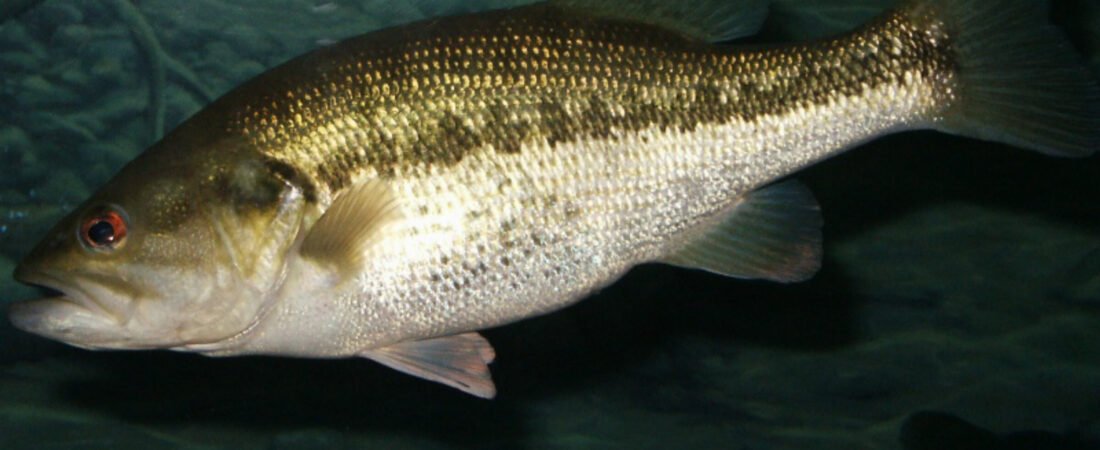
Largemouth bass need warm water, at least moderate vegetation or structure for cover, and dissolved oxygen above roughly 5 parts per million to feed and grow well. Water outside those bounds does not necessarily kill the fish, but it pushes them into survival mode rather than active feeding and growth.

Habitat Requirements Snapshot
What Water Temperature Do Largemouth Bass Need?
Largemouth bass function best in water between roughly 65 and 90 degrees Fahrenheit, with peak feeding and growth typically in the upper end of that range. They can survive far outside it, tolerating temperatures as low as the mid-30s in winter and, in southern waters, prolonged exposure into the upper 80s and low 90s, though sustained temperatures above 95 degrees can become lethal. In cold northern climates, largemouth survive under ice for five to six months at a time, provided dissolved oxygen does not drop below roughly 5 to 6 parts per million beneath the ice. This wide tolerance is a major reason largemouth bass thrive across such a broad range of American climates compared with more temperature-sensitive gamefish.
How Much Dissolved Oxygen Do Largemouth Bass Need?
Largemouth bass need a minimum of roughly 5 milligrams per liter of dissolved oxygen to feed actively and maintain healthy metabolism. Between 4 and 5 mg/L, fish begin showing stress, reducing both activity and feeding. Below 2 mg/L, mortality becomes a real risk. They do best when oxygen levels sit near saturation, around 8 to 9 ppm, particularly in water between 70 and 80 degrees, the same range where their metabolism and feeding activity are highest. This is one reason heavily vegetated water can turn from ideal habitat into a liability: excessive plant decay, especially overnight or during a summer die-off, can crash dissolved oxygen levels fast enough to stress or kill fish in an otherwise favorable lake.
Why Do Largemouth Bass Need Vegetation and Cover?
Vegetation and structure serve two purposes for largemouth bass at every life stage: hunting cover for ambush predation and shelter from their own predators. Adults use submerged weed beds, docks, and fallen timber to hide and ambush baitfish, while juveniles rely on the same kind of cover, along with denser weed tangles, to escape being eaten themselves by larger fish and birds. Moderate vegetation coverage, generally cited around 25 to 40 percent of a pond or lake’s surface area, is considered ideal. Too little cover leaves bass exposed and forage scarce; too much, generally above 50 percent, reduces the open water bass need to actually hunt, can trigger oxygen crashes as dense plant mats decay, and makes the water harder for anglers, and sometimes the fish themselves, to move through effectively.
Can Largemouth Bass Tolerate Murky or Turbid Water?
Yes, far better than most other popular freshwater gamefish. Largemouth bass hunt using a combination of sight, vibration detection through the lateral line, and scent, which lets them remain effective predators in stained, tannic, or algae-tinted water where a purely sight-feeding fish would struggle. This tolerance is part of why largemouth thrive in swampy, vegetation-choked water across the South, water that would offer poor conditions for trout, walleye, or even smallmouth bass. That said, extremely turbid water from erosion or heavy sediment, as opposed to natural tannic staining or algae, can still reduce forage visibility and habitat quality even for a largemouth.
Frequently Asked Questions
What water temperature do largemouth bass prefer?
Largemouth bass function best between 65 and 90 degrees Fahrenheit, with peak activity toward the upper end of that range, though they can survive temperatures from the mid-30s to the low 90s.
How much dissolved oxygen do largemouth bass need?
A minimum of roughly 5 mg/L for active feeding and healthy metabolism. Stress begins around 4-5 mg/L, and levels below 2 mg/L put fish at real risk of dying.
Do largemouth bass need weeds to survive?
They need cover of some kind, whether vegetation, wood, or docks, for both hunting and shelter from predators. Moderate vegetation, around 25 to 40 percent of surface coverage, is considered ideal.
Can largemouth bass live in murky water?
Yes, better than most gamefish. They hunt using vibration and scent as well as sight, letting them thrive in stained or tannic water that would be poor habitat for sight-dependent species.