
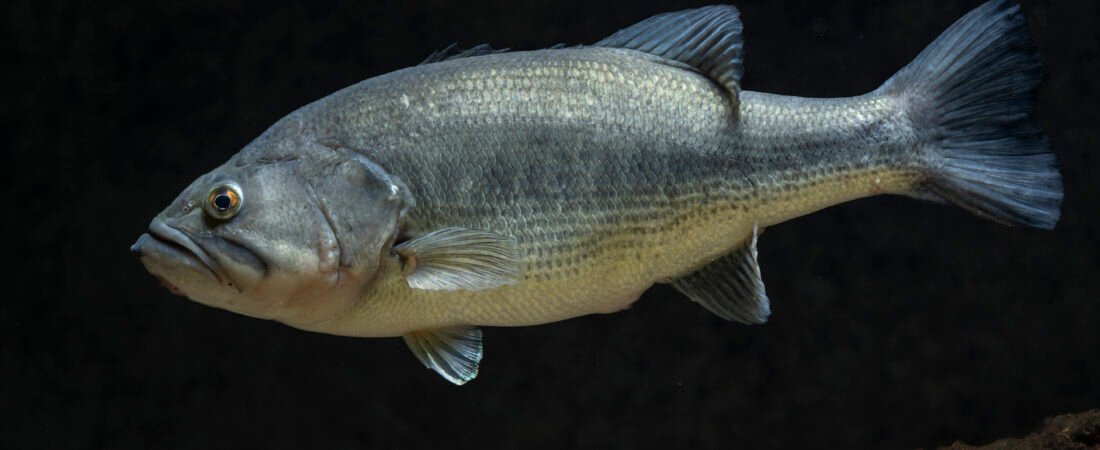
Florida’s best largemouth bass fishing runs from late fall through spring, when big pre-spawn and spawning females move shallow onto lakes like Okeechobee, the Kissimmee Chain, and Rodman Reservoir. Understanding that seasonal shift, and matching tactics to Florida’s uniquely thick vegetation, matters more here than almost anywhere else in the country.

What Are Florida’s Best Largemouth Bass Lakes?
Lake Okeechobee is Florida’s most famous big-bass water, well known for both the volume and quality of largemouth it produces across its sprawling grass flats and canal systems. The Kissimmee Chain of Lakes, a connected system of lakes south of Orlando, offers similarly productive vegetation-rich water with the added advantage of multiple lakes to spread out fishing pressure. Rodman Reservoir, an impoundment on the Ocklawaha River, has built a reputation for trophy-class fish thanks to standing timber and thick vegetation that concentrates bass in obvious ambush zones. The St. Johns River, Florida’s longest river system, adds current-influenced largemouth fishing to the mix, with grass beds, lily pads, and slower side channels holding fish along its length.
When Is the Best Time to Fish for Largemouth Bass in Florida?
Late fall through spring is Florida’s prime window, generally outperforming the hot summer months most other states consider peak season. As water temperatures cool starting in November, big female bass begin staging for the spawn, which in Florida can run from December through May depending on the lake and how far south it sits, an unusually long and early window compared to northern states where spawning is compressed into a few spring weeks. This extended spawn period is a major reason Florida produces so many double-digit fish caught shallow, since anglers get months rather than weeks of access to staging and spawning-class bass. Summer fishing remains viable but shifts toward low-light hours, early morning and late evening, as midday heat pushes bass into deeper channels and shaded cover.
| Season | Bass Behavior | Best Approach |
|---|---|---|
| Late Fall (Nov-Dec) | Staging, moving toward spawning areas | Fish transition zones between deep and shallow |
| Winter-Spring (Dec-May) | Spawning, biggest females shallow | Sight-fish beds, punch mats, fish grass edges |
| Summer (Jun-Sep) | Heat-driven, deeper by day | Fish early/late low-light windows, deeper channels midday |
What Tactics Work Best on Florida’s Vegetation-Heavy Water?
Florida’s lakes carry far more standing vegetation, hydrilla, hyacinth, lily pads, and matted grass, than most bass water elsewhere in the country, which shapes the tactics that dominate here. Flipping and punching heavy mats with a weighted soft plastic punches straight through vegetation other anglers write off as unfishable, often producing the biggest bass in a lake since heavy cover holds less pressured fish. Working the outside edges of hydrilla and grass lines with a spinnerbait or swim jig covers water efficiently along the transition where bass typically stage before pushing into the thickest cover. Live wild shiners, a Florida-specific bass bait with a long regional tradition, remain one of the most consistently productive big-bass baits on lakes like Okeechobee, particularly during the spawn.
Do You Need a License, and Are There Florida-Specific Regulations?
Yes, a Florida freshwater fishing license is required for both residents and non-residents fishing for largemouth bass in the state, available through the Florida Fish and Wildlife Conservation Commission. Florida’s black bass regulations allow a combined bag limit that covers largemouth along with several other black bass species found in the state, with only one fish permitted over a specific length threshold, rules covered in more detail in this site’s dedicated regulations coverage. Always confirm current license requirements and bag limits directly with the FWC before fishing, since specific rules can change and some waters carry special regulations beyond the statewide baseline.
Frequently Asked Questions
What is the best lake in Florida for largemouth bass?
Lake Okeechobee is Florida’s best-known big-bass lake, though the Kissimmee Chain, Rodman Reservoir, and the St. Johns River are all consistently productive alternatives with their own strengths.
What is the best time of year to fish for bass in Florida?
Late fall through spring, roughly November through May, when cooling water triggers staging and spawning behavior that pulls big female bass shallow for an unusually long window compared to northern states.
Why do Florida bass anglers punch through vegetation instead of fishing open water?
Florida’s lakes carry unusually heavy vegetation, and punching through matted grass with a weighted soft plastic reaches bass holding in cover other anglers avoid, often producing the biggest fish on a given lake.
Do you need a fishing license to fish for bass in Florida?
Yes, a Florida freshwater fishing license is required for residents and non-residents alike, available through the Florida Fish and Wildlife Conservation Commission.