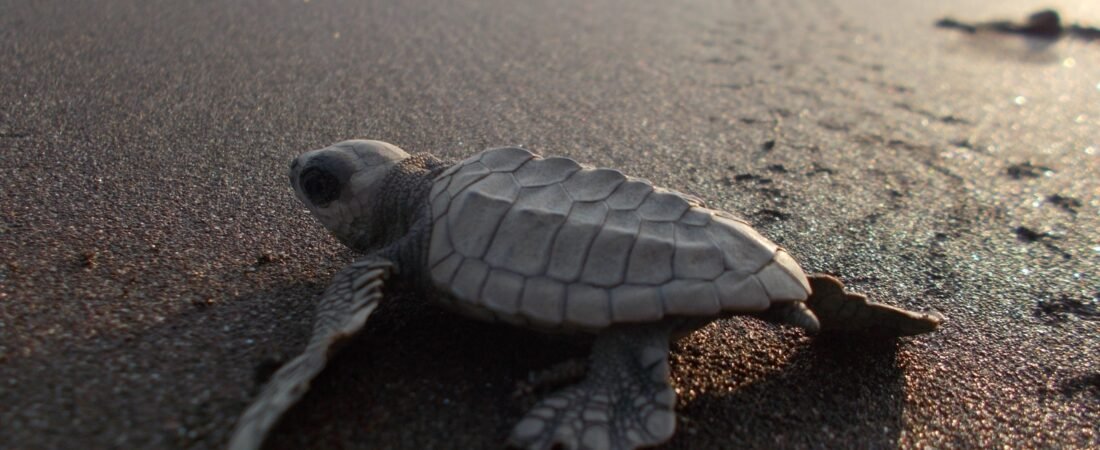
Commercial pelagic longlining for mahi mahi, particularly in Pacific fisheries like Costa Rica’s, incidentally hooks olive ridley sea turtles at a documented rate of roughly 9 per 1,000 hooks, along with silky sharks, thresher sharks, and green turtles in smaller numbers. Recreational trolling, by contrast, carries essentially none of this risk, since trolled lines are actively watched and retrieved rather than left soaking unattended for hours across miles of baited hooks.
Here’s what bycatch actually means in a mahi mahi fishery, which species are affected and by how much, and what mitigation efforts and gear choices are doing to reduce it.
What Bycatch Means in This Fishery
Bycatch refers to any species caught incidentally while fishing for a different target, and it happens because fishing gear can’t always distinguish between the intended catch and anything else that takes the bait or becomes entangled. For mahi mahi specifically, bycatch is overwhelmingly a pelagic longline issue rather than a trolling issue. Pelagic longlines, which can stretch for miles and carry hundreds or thousands of baited hooks left to soak for extended periods, are efficient at catching mahi mahi alongside tuna, swordfish, and wahoo, but that same efficiency and lack of active supervision is exactly what makes them prone to hooking non-target species that happen to encounter the gear.
Costa Rica Pacific Longline Bycatch Rates
Sea Turtles Are the Most Studied Bycatch Concern
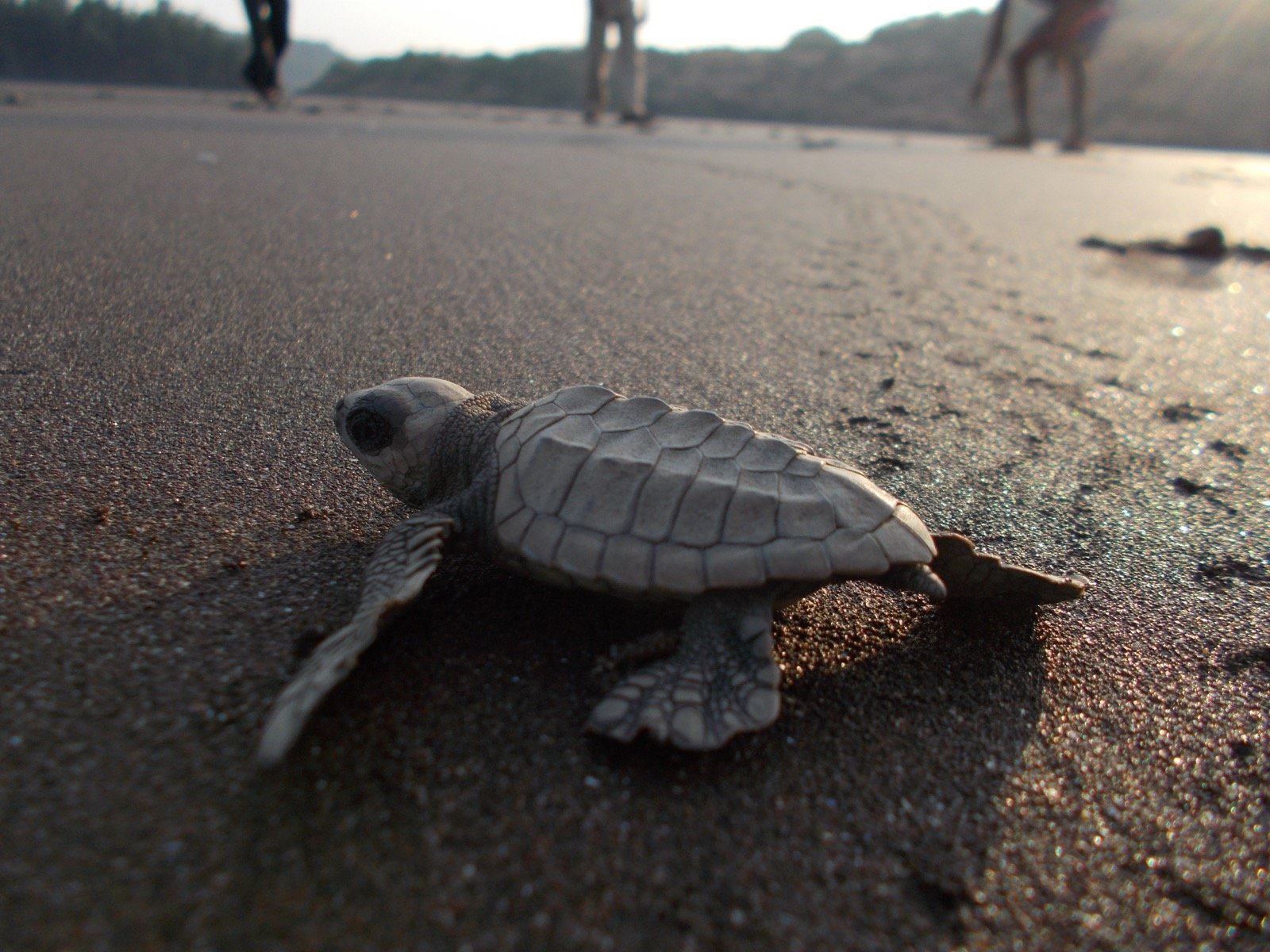
Olive ridley sea turtles are the most heavily documented bycatch species in mahi mahi-targeted pelagic longline fisheries, particularly in the Eastern Pacific off Costa Rica, where research has recorded them at a rate of roughly 9 per 1,000 hooks, by far the highest incidental capture rate of any species studied in that fishery. Across the broader longline fleet operating in the region, one estimate places incidental olive ridley captures at roughly 699,600 individuals between 1999 and 2010, including an estimated 92,300 adult females, a scale of bycatch that researchers have linked to measurable declines in nesting populations at nearby arribada beaches, the mass nesting events olive ridleys are known for.
Sharks Caught Alongside Mahi Mahi
Silky sharks and thresher sharks, both species of global conservation concern, also show up regularly as bycatch in the same longline fisheries, at documented rates of roughly 3 and 1 per 1,000 hooks respectively in Costa Rica’s Pacific fleet. Both species reproduce slowly relative to fast-growing mahi mahi, which means the same fishing pressure that a mahi mahi population can absorb comfortably represents a much more serious cumulative impact on shark populations caught incidentally alongside it, a mismatch in biological resilience that’s central to why bycatch mitigation in this fishery focuses so heavily on sharks and turtles specifically rather than the target species itself.
The Good News: Survival Rates After Release Are High
Not every hooked turtle dies as a result. Research on Costa Rica’s fishery found hooking survival rates of roughly 95 percent for olive ridley turtles and 96 percent for green turtles once released, meaning the great majority of incidentally hooked turtles survive the encounter if handled and released properly. That statistic is the foundation for most current mitigation strategies: since survival after hooking is already high when release is handled well, training crews in proper dehooking and release technique offers a meaningful, achievable reduction in mortality without requiring a wholesale change to how the fishery operates.
| Mitigation Approach | What It Does |
|---|---|
| Circle hooks | Reduce deep-hooking, improve release survival |
| Crew training in dehooking | Capitalizes on already-high post-release survival |
| Reduced gear soak time | Less time for non-target species to encounter bait |
| Seasonal closures near nesting beaches | Avoids peak olive ridley nesting migration windows |
Circle hooks matter more than they might seem
Circle hooks are shaped to catch in the corner of the jaw rather than being swallowed, which reduces both bycatch mortality and injury to the target catch. Many fisheries research groups consider gear switching to circle hooks one of the single most effective, low-cost bycatch mitigation tools available.
How This Connects to Sustainability Ratings
Bycatch is one of the specific factors Seafood Watch weighs when rating mahi mahi by catch method, and it’s the main reason pole-and-line and troll-caught mahi mahi earn a more favorable rating than longline-caught product from the same species. That rating difference isn’t about the fish itself being any different biologically, a mahi mahi is a mahi mahi regardless of how it was caught, it’s entirely a reflection of what else came up on the same gear. Understanding the bycatch data behind that rating gap makes the practical difference between catch methods concrete rather than abstract.
Why Trolling Carries a Different Risk Profile Entirely
It’s worth being direct about a distinction that matters a lot here: nearly everything above applies specifically to commercial pelagic longlining, not to the trolling methods recreational anglers and most charter operations use. A trolled spread is actively watched, lines are retrieved quickly once a fish strikes or a pass is finished, and the gear simply isn’t left soaking unattended across miles of ocean the way a longline is. That’s a structurally different bycatch risk, closer to negligible for turtles and sharks specifically, which is part of why Seafood Watch rates pole-and-line and troll-caught mahi mahi more favorably than longline-caught product from a bycatch standpoint specifically.
Why Mahi Mahi-Targeted Gear Attracts This Bycatch Specifically
Pelagic longlines targeting mahi mahi tend to fish relatively shallow depths, close to the surface where mahi mahi themselves feed, and that same shallow depth range overlaps heavily with where sea turtles spend most of their time foraging and traveling. Deeper-set longlines targeting species like bigeye tuna generally show lower turtle bycatch simply because the gear operates below the depth range turtles typically use. That depth overlap is a big part of why mahi mahi-targeted longline gear specifically shows up so often in turtle bycatch research, it’s less about mahi mahi as a species and more about the specific gear configuration used to target it at the depths it swims.
This Isn’t Unique to Costa Rica
The Costa Rica data cited throughout this article is some of the most detailed available, but similar bycatch dynamics show up in pelagic longline fisheries elsewhere in the Eastern Pacific and beyond. Research on artisanal and small-scale longline fleets across Central and South America has documented comparable turtle bycatch patterns, and sea turtle bycatch has been studied in longline fisheries as far afield as the Bay of Bengal, where regional gear types and target species differ but the underlying mechanism, unattended baited hooks left soaking near the surface, produces broadly similar results. The specific numbers vary by fleet, gear type, and region, but the general pattern of elevated turtle and shark bycatch in shallow-set pelagic longline gear holds fairly consistently across mahi mahi-targeted fisheries worldwide.
Regulatory and Industry Response
Beyond circle hooks and crew training, fisheries observers, independent monitors placed on commercial vessels to record actual catch and bycatch data, have become an increasingly standard requirement in longline fisheries specifically because self-reported bycatch data has historically proven unreliable. Some fleets have also experimented with seasonal or area closures timed to avoid peak turtle migration and nesting periods, reducing the overlap between fishing effort and vulnerable turtle populations without requiring a permanent reduction in fishing access. None of these measures eliminates bycatch entirely, but combined they represent a meaningfully different fishery today than one operating without any mitigation requirements at all.
What This Means for Sourcing and Consumption Choices
Anglers who catch their own mahi mahi by trolling aren’t contributing to this particular bycatch problem in any meaningful way. Consumers buying mahi mahi at a market or restaurant have less visibility into catch method by default, but country of origin and catch method labeling, where available, offer a way to favor troll or pole-and-line caught product over longline-caught fish if bycatch impact specifically is a priority. This isn’t a reason to avoid mahi mahi altogether, the species itself remains a reasonably resilient, well-managed catch, but it is a reason to recognize that how a mahi mahi was caught matters more to the broader ocean ecosystem than whether it was caught at all.
Mahi mahi bycatch is a longline-specific issue, concentrated heavily on sea turtles and, to a lesser extent, sharks, not a flaw inherent to fishing for the species itself. Gear choice and handling practice, more than the target species, determine how much incidental harm a given mahi mahi catch actually causes.
Frequently Asked Questions
Does recreational trolling for mahi mahi cause significant bycatch?
No, not meaningfully. Trolled lines are actively watched and quickly retrieved, unlike unattended longlines left soaking for hours, which is the primary source of documented turtle and shark bycatch in this fishery.
What species are most affected by mahi mahi longline bycatch?
Olive ridley sea turtles are the most heavily documented, followed by silky and thresher sharks, both species of conservation concern that reproduce much more slowly than mahi mahi.
Do hooked sea turtles usually survive?
Research in Costa Rica found survival rates around 95 to 96 percent for hooked olive ridley and green turtles when released properly, which is why crew training in dehooking technique is a major focus of mitigation efforts.
Is this bycatch problem unique to Costa Rica?
No. Similar patterns show up in pelagic longline fisheries elsewhere in the Eastern Pacific and beyond, since the underlying mechanism, shallow-set, unattended baited hooks, is common to mahi mahi-targeted longline gear generally, not specific to one country’s fleet.
Explore the rest of the Mahi Mahi series
Biology & Identification
- Mahi Mahi: Full Species Overview
- Why Male Mahi Mahi Have That Distinctive Flat Forehead
- Bull vs Cow Mahi Mahi: How to Tell the Male and Female Apart
- Why Mahi Mahi Changes Colour: The Blue, Gold, and Green Explained
- Why Is Mahi Mahi Called Dolphinfish? The Name Confusion Explained
- Other Names for Mahi Mahi: Dorado, Dolphinfish, and Why It Has So Many
- Mahi Mahi Scientific Name: Coryphaena Hippurus and Its Taxonomy Explained
- What Kind of Fish Is Mahi Mahi? Classification, Family, and Biology
- Mahi Mahi Facts: 10 Things Most People Do Not Know
Habitat & Behavior
- Mahi Mahi Spawning and Reproduction: How They Breed and How Fast They Grow
- How Long Do Mahi Mahi Live? Lifespan, Growth Rate, and Maturity
- What Eats Mahi Mahi? Natural Predators in the Ocean
- How Fast Can Mahi Mahi Swim? Speed, Agility, and Why They Are Hard to Land
- What Do Mahi Mahi Eat? Diet, Prey, and Feeding Habits in the Wild
- Mahi Mahi in the Atlantic vs Pacific: Are They the Same Fish?
- Mahi Mahi Migration: How They Follow Warm Currents Around the World
- Mahi Mahi Habitat: Why They Hang Around Sargassum and Floating Debris
- Where Do Mahi Mahi Live? Ocean, Depth, and Temperature Preferences
- Baby Mahi Mahi: Should You Release Juvenile Mahi and How to Identify Them
Size & Records
- How Big Do Mahi Mahi Get? Size, Weight, and World Record
- Mahi Mahi World Record: Biggest Ever Caught and Where
Food & Health
- Fresh vs Frozen Mahi Mahi: Does It Make a Difference?
- Wild-Caught vs Farmed Mahi Mahi: What Is the Difference?
- Is Mahi Mahi a Sustainable Seafood Choice?
- Fish Similar to Mahi Mahi: What to Buy When It Is Not Available
- Mahi Mahi vs Tuna, Salmon, and Grouper: How Does It Compare?
- Can Dogs Eat Mahi Mahi? What Is Safe and What to Watch Out For
- Is Mahi Mahi Safe to Eat During Pregnancy? Mercury and Safety Explained
- Mahi Mahi Mercury Levels: Is It Safe and How Often Can You Eat It?
- Is Mahi Mahi Good to Eat? What Makes It One of the Most Popular Fish
- Mahi Mahi Nutrition Facts: Protein, Omega-3, Calories, and Vitamins
- Is Mahi Mahi a White Fish? Flesh Colour, Texture, and How It Compares
- What Does Mahi Mahi Taste Like? Flavour, Texture, and Is It Fishy?
- Mahi Mahi Population: Are Numbers Healthy and Is Overfishing a Risk?
Fishing
- Mahi Fishing Tips: Rigs, Trolling Speeds, and What Actually Works
- How to Catch Mahi Mahi: Techniques, Tackle, and Where to Find Them
- Mahi Mahi Fishing: Everything You Need to Know to Find and Catch Them
- Mahi Mahi Fishing in Florida: Season, Hotspots, and How to Catch Them
- Where to Catch Mahi Mahi: Best Locations Around the World
- Mahi Mahi Fishing Charters: What to Expect and How to Choose One
- Mahi Mahi Season: When and Where to Fish for Peak Action
- Best Lures for Mahi Mahi: What They Strike and Why
- Trolling for Mahi Mahi: Speed, Spread, and Setup Explained
- Finding Mahi Mahi on Sargassum Lines: Why Weed Lines Are the Key
- Mahi Mahi Fishing in Hawaii: When to Go and What to Expect