
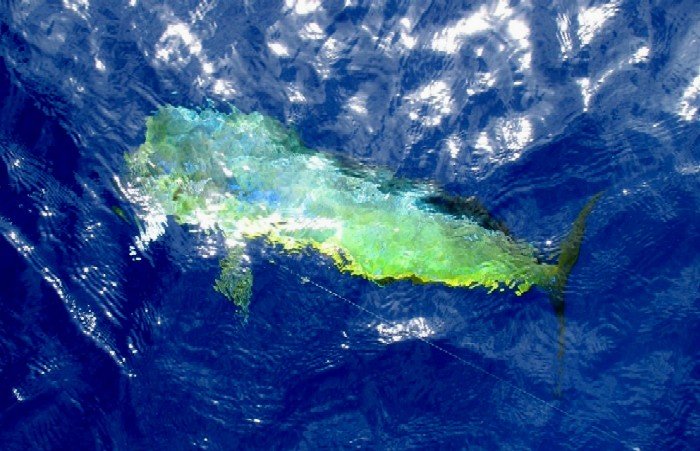
For mahi mahi specifically, properly frozen often beats “fresh” at the counter. Because mahi mahi’s quality drops faster after catch than many other whitefish, fish that’s flash-frozen at sea within hours of being caught frequently retains better texture and flavor than fish labeled fresh that’s actually spent days in transit before reaching a store.
Here’s why freezing method matters more than the fresh-or-frozen label itself, and how to judge quality either way.
Why Flash-Freezing Works So Well
Most commercially frozen mahi mahi is flash-frozen or blast-frozen at sea within hours of being caught, a rapid process that forms small ice crystals rather than the large ones slow home freezing produces. Large ice crystals rupture cell walls, and that’s what causes the mushy, watery texture people associate with poor frozen fish. Fast freezing largely avoids that damage, which is why properly flash-frozen mahi mahi can taste nearly indistinguishable from fresh once thawed and cooked.
Does Nutrition Change?
Barely. Protein, vitamins, minerals, and omega-3 content stay essentially the same between fresh and properly frozen fish. The one small caveat is that some water-soluble vitamins can be lost during thawing as liquid drains from the fish, a minor effect rather than a meaningful nutritional downgrade.
Why “Fresh” Isn’t Always Fresher
This is where mahi mahi’s fast quality decline actually favors frozen. Because its texture and flavor degrade more quickly than hardier fish once caught, a fillet labeled “fresh” that’s traveled several days from dock to store can genuinely taste worse than a properly frozen fillet caught and frozen within hours, then thawed just before cooking. The fresh label describes the fish’s current state, not necessarily how it was handled in between.
How to Judge Quality Either Way
For fresh mahi mahi, look for firm, moist flesh, a clean ocean smell rather than anything sour or ammonia-like, and flesh that springs back when pressed. For frozen, check that the packaging is airtight with no visible ice crystals or freezer burn, both signs of temperature fluctuation during storage, and thaw slowly in the refrigerator rather than at room temperature to preserve texture.
The real difference isn’t fresh versus frozen, it’s how quickly the fish was frozen and how it was handled before that point. A well-frozen mahi mahi fillet frequently beats a poorly handled “fresh” one.
Frequently Asked Questions
Is frozen mahi mahi as good as fresh?
Often, yes. Flash-frozen mahi mahi preserves texture and flavor well, and can taste better than fresh fish that’s spent days in transit before reaching a store.
Does freezing mahi mahi reduce its nutritional value?
Barely. Protein, vitamins, and omega-3 content stay essentially unchanged, with only a small loss of water-soluble vitamins possible during thawing.
How should I thaw frozen mahi mahi?
Slowly, in the refrigerator, rather than at room temperature. Slow thawing helps preserve the texture that fast freezing worked to protect.
Explore the rest of the Mahi Mahi series
Biology & Identification
- Mahi Mahi: Full Species Overview
- Why Male Mahi Mahi Have That Distinctive Flat Forehead
- Bull vs Cow Mahi Mahi: How to Tell the Male and Female Apart
- Why Mahi Mahi Changes Colour: The Blue, Gold, and Green Explained
- Why Is Mahi Mahi Called Dolphinfish? The Name Confusion Explained
- Other Names for Mahi Mahi: Dorado, Dolphinfish, and Why It Has So Many
- Mahi Mahi Scientific Name: Coryphaena Hippurus and Its Taxonomy Explained
- What Kind of Fish Is Mahi Mahi? Classification, Family, and Biology
- Mahi Mahi Facts: 10 Things Most People Do Not Know
Habitat & Behavior
- Mahi Mahi Spawning and Reproduction: How They Breed and How Fast They Grow
- How Long Do Mahi Mahi Live? Lifespan, Growth Rate, and Maturity
- What Eats Mahi Mahi? Natural Predators in the Ocean
- How Fast Can Mahi Mahi Swim? Speed, Agility, and Why They Are Hard to Land
- What Do Mahi Mahi Eat? Diet, Prey, and Feeding Habits in the Wild
- Mahi Mahi in the Atlantic vs Pacific: Are They the Same Fish?
- Mahi Mahi Migration: How They Follow Warm Currents Around the World
- Mahi Mahi Habitat: Why They Hang Around Sargassum and Floating Debris
- Where Do Mahi Mahi Live? Ocean, Depth, and Temperature Preferences
- Baby Mahi Mahi: Should You Release Juvenile Mahi and How to Identify Them
Size & Records
- How Big Do Mahi Mahi Get? Size, Weight, and World Record
- Mahi Mahi World Record: Biggest Ever Caught and Where
Food & Health
- Wild-Caught vs Farmed Mahi Mahi: What Is the Difference?
- Is Mahi Mahi a Sustainable Seafood Choice?
- Fish Similar to Mahi Mahi: What to Buy When It Is Not Available
- Mahi Mahi vs Tuna, Salmon, and Grouper: How Does It Compare?
- Can Dogs Eat Mahi Mahi? What Is Safe and What to Watch Out For
- Is Mahi Mahi Safe to Eat During Pregnancy? Mercury and Safety Explained
- Mahi Mahi Mercury Levels: Is It Safe and How Often Can You Eat It?
- Is Mahi Mahi Good to Eat? What Makes It One of the Most Popular Fish
- Mahi Mahi Nutrition Facts: Protein, Omega-3, Calories, and Vitamins
- Is Mahi Mahi a White Fish? Flesh Colour, Texture, and How It Compares
- What Does Mahi Mahi Taste Like? Flavour, Texture, and Is It Fishy?
- Mahi Mahi Population: Are Numbers Healthy and Is Overfishing a Risk?
- Mahi Mahi and Bycatch: What Gets Caught Alongside It and Why It Matters
Fishing
- Mahi Fishing Tips: Rigs, Trolling Speeds, and What Actually Works
- How to Catch Mahi Mahi: Techniques, Tackle, and Where to Find Them
- Mahi Mahi Fishing: Everything You Need to Know to Find and Catch Them
- Mahi Mahi Fishing in Florida: Season, Hotspots, and How to Catch Them
- Where to Catch Mahi Mahi: Best Locations Around the World
- Mahi Mahi Fishing Charters: What to Expect and How to Choose One
- Mahi Mahi Season: When and Where to Fish for Peak Action
- Best Lures for Mahi Mahi: What They Strike and Why
- Trolling for Mahi Mahi: Speed, Spread, and Setup Explained
- Finding Mahi Mahi on Sargassum Lines: Why Weed Lines Are the Key
- Mahi Mahi Fishing in Hawaii: When to Go and What to Expect