
Latest posts
-
Why Is the Largemouth Bass Also Called the Black Bass?
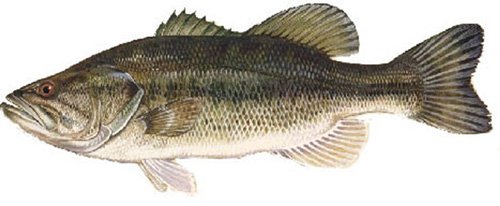
Why largemouth bass are still called black bass in fishing regulations today, and how the name’s history shaped modern bag limits.
-
Largemouth Bass Scientific Name: Micropterus Salmoides and Its Taxonomy
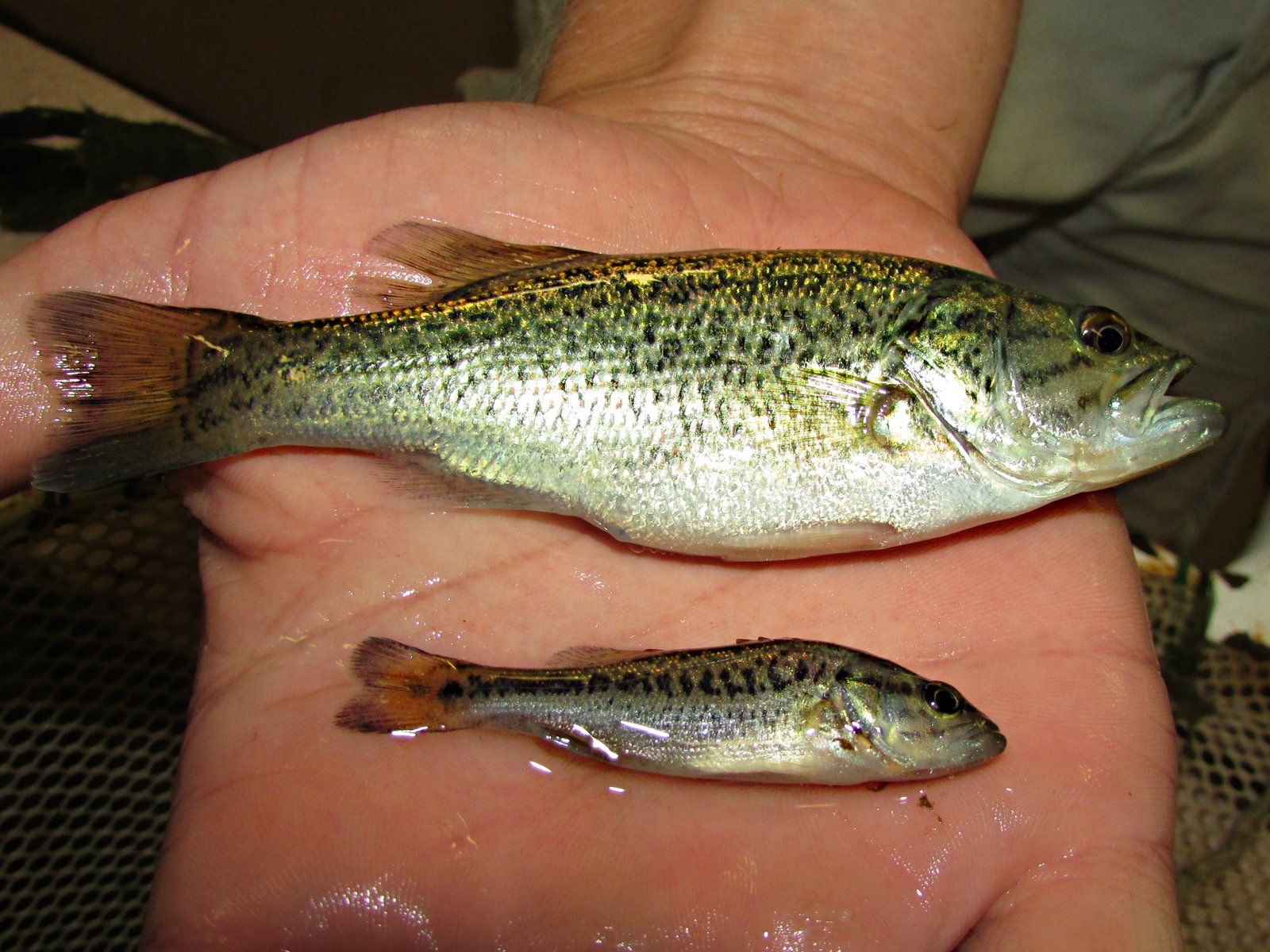
The scientific name, full taxonomy, and 2022 genetic species-split of the largemouth bass, Micropterus salmoides, explained.
-
What Is a Largemouth Bass? Species, Classification, and Why Anglers Love It
What is a largemouth bass? A complete look at its classification, biology, and why it’s the most popular freshwater gamefish in America.
-
Largemouth Bass: The Complete Guide to America’s Most Popular Freshwater Fish
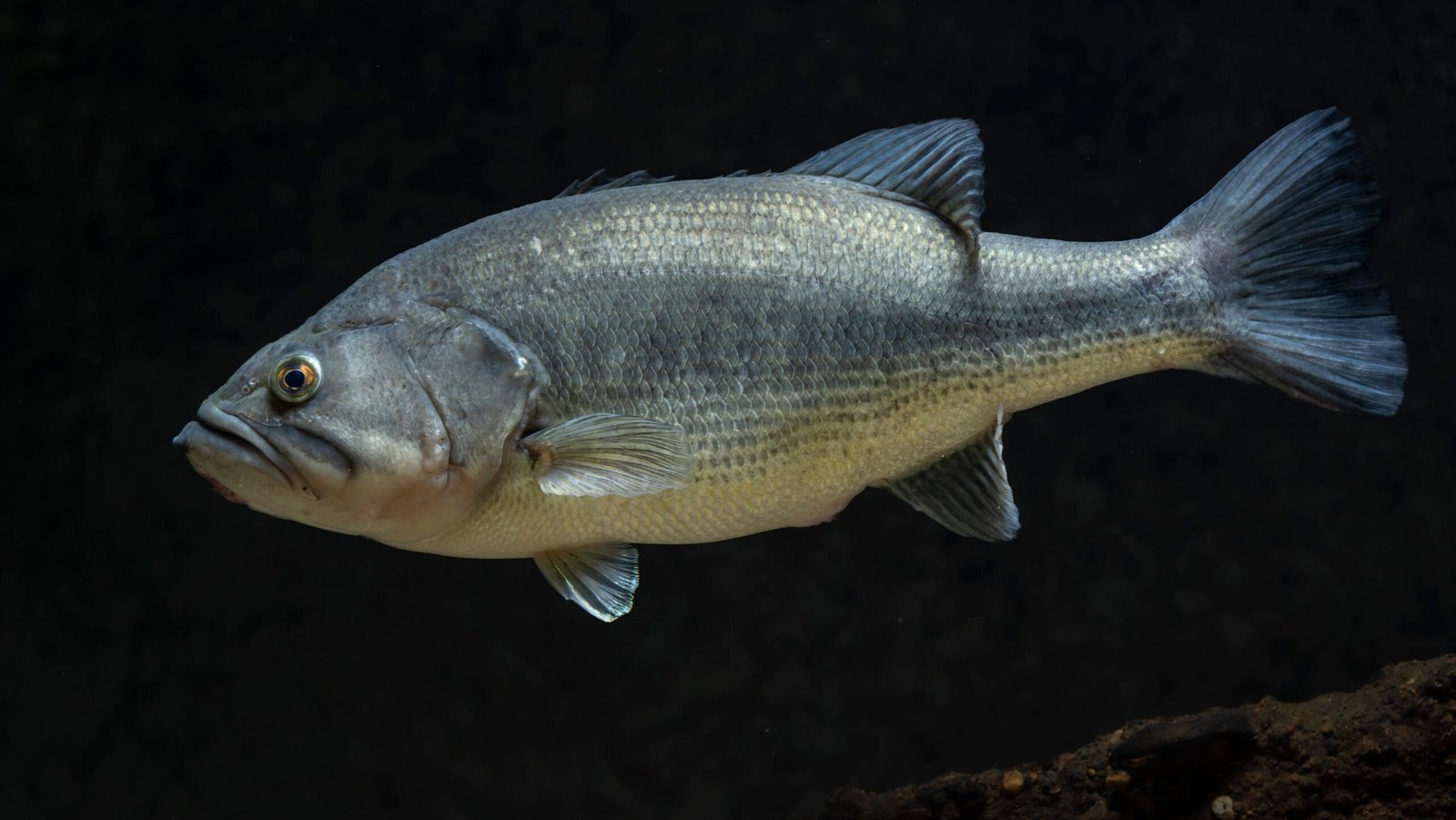
A complete identification, habitat, diet, and size guide to the largemouth bass, including the 22 lb 4 oz world record, how it differs from smallmouth bass, and how to catch one.
-
Mahi Mahi and Bycatch: What Gets Caught Alongside It and Why It Matters
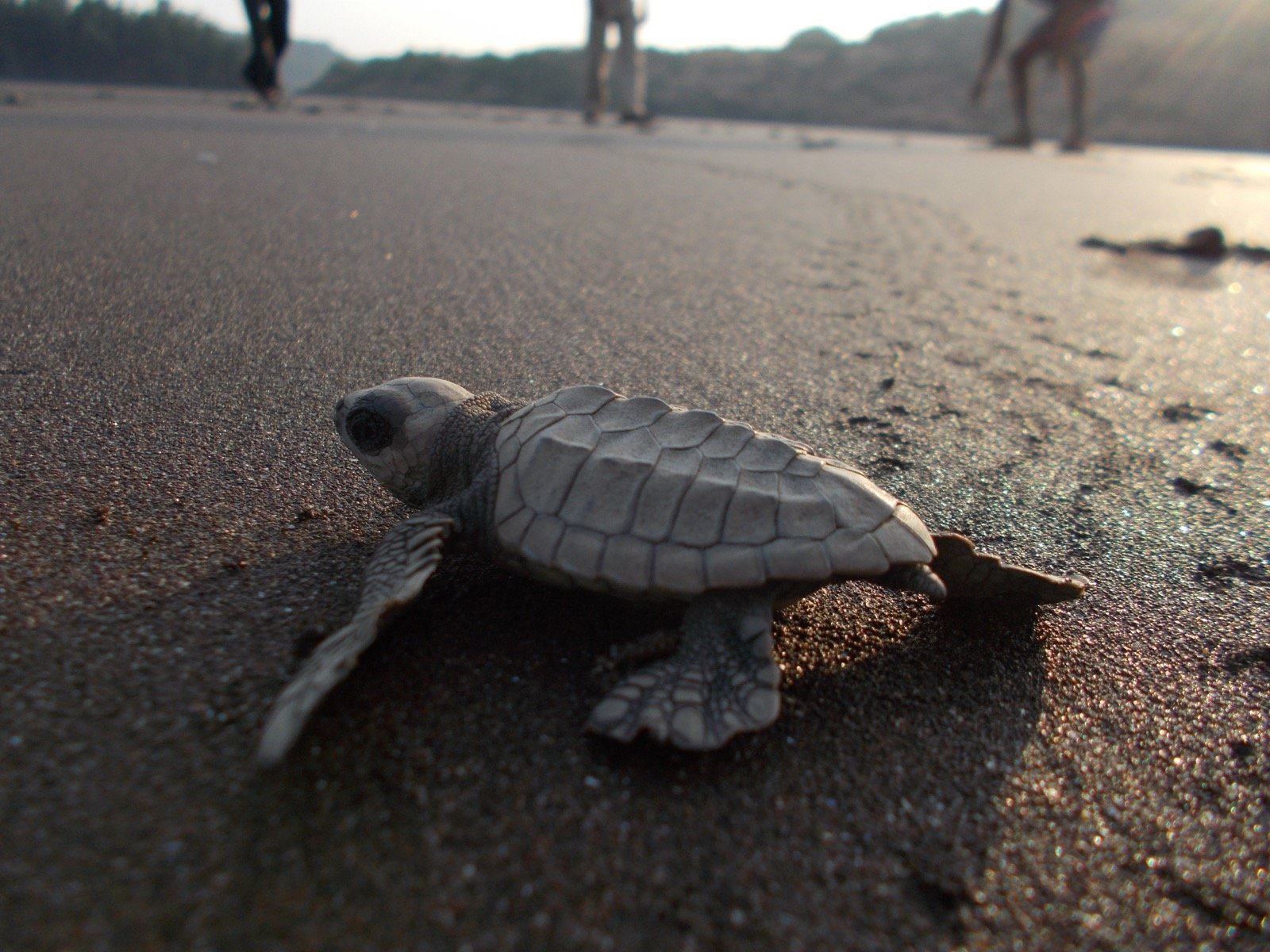
Pelagic longlines targeting mahi mahi incidentally hook olive ridley sea turtles at roughly 9 per 1,000 hooks in Costa Rica, plus silky and thresher sharks. Here is what the data says, why trolling avoids the problem, and how mitigation works.
-
Mahi Mahi Population: Are Numbers Healthy and Is Overfishing a Risk?
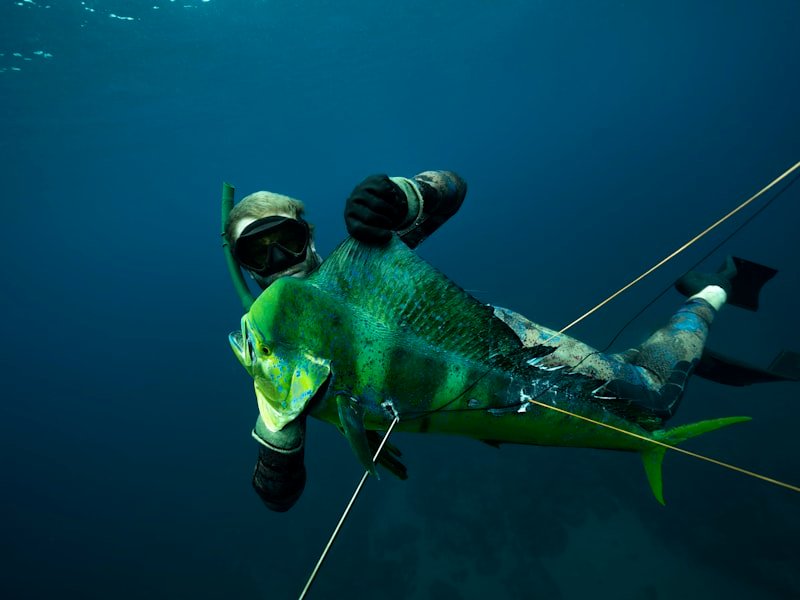
No U.S. mahi mahi stock has a completed formal population assessment. NOAA lists status as unknown for the South Atlantic and not subject to overfishing for three Caribbean complexes based on 2022 data. Here is what that actually means.
-
Baby Mahi Mahi: Should You Release Juvenile Mahi and How to Identify Them
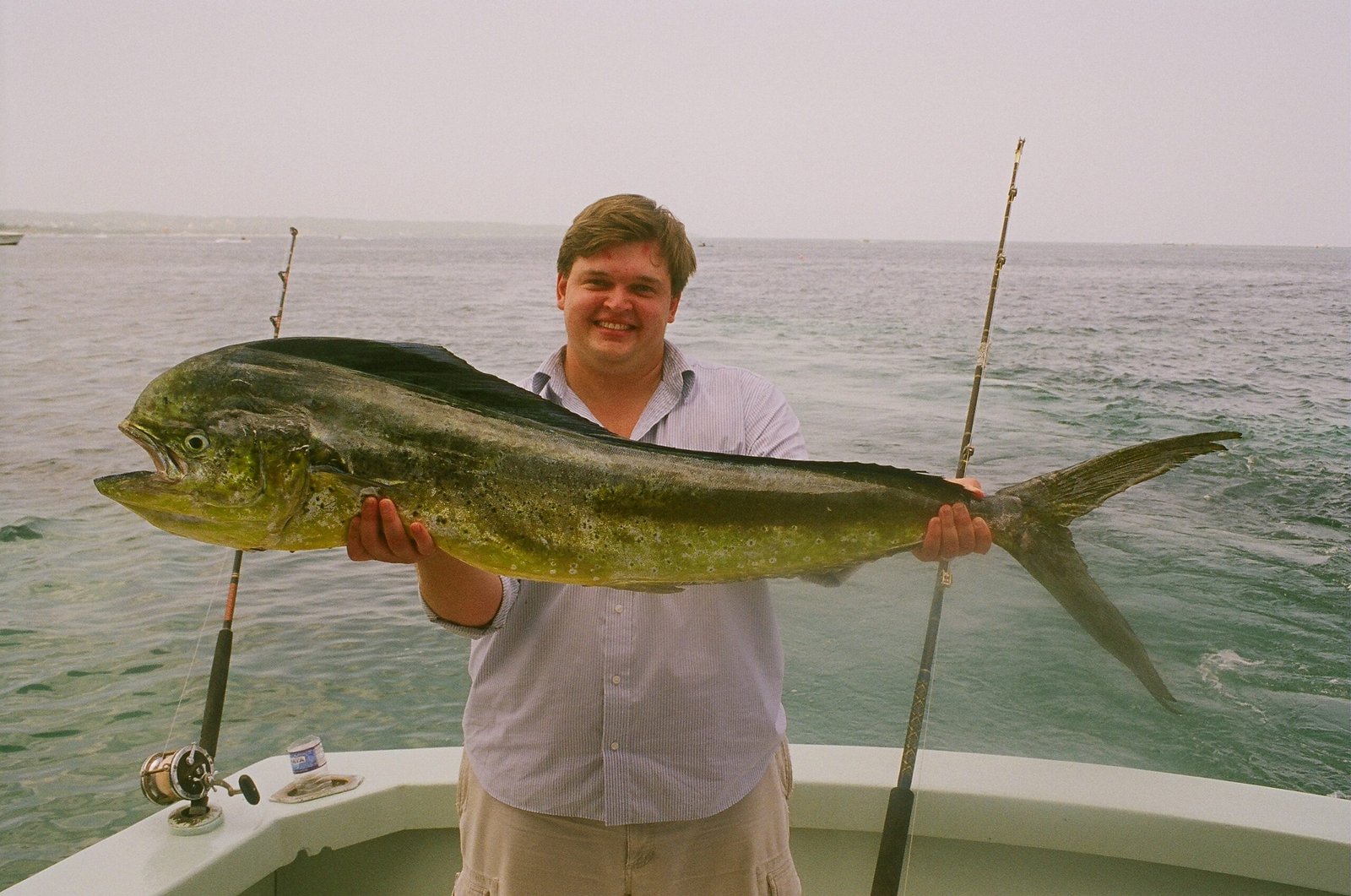
Juvenile mahi mahi, or peanuts, are identifiable by a rounded head and weight typically under 10 pounds. Regulations on keeping them vary sharply by region, from a 20-inch Florida Atlantic minimum to no state limit in the Gulf or Hawaii.
-
Mahi Mahi Fishing in Hawaii: When to Go and What to Expect
Hawaii mahi mahi fish nearly year-round but peak September through May, with fish growing from 10-15 lb in March to 40-50 lb by May. Here is where to fish around the islands, the 2024 license requirement, and what a typical trip looks like.
-
Finding Mahi Mahi on Sargassum Lines: Why Weed Lines Are the Key
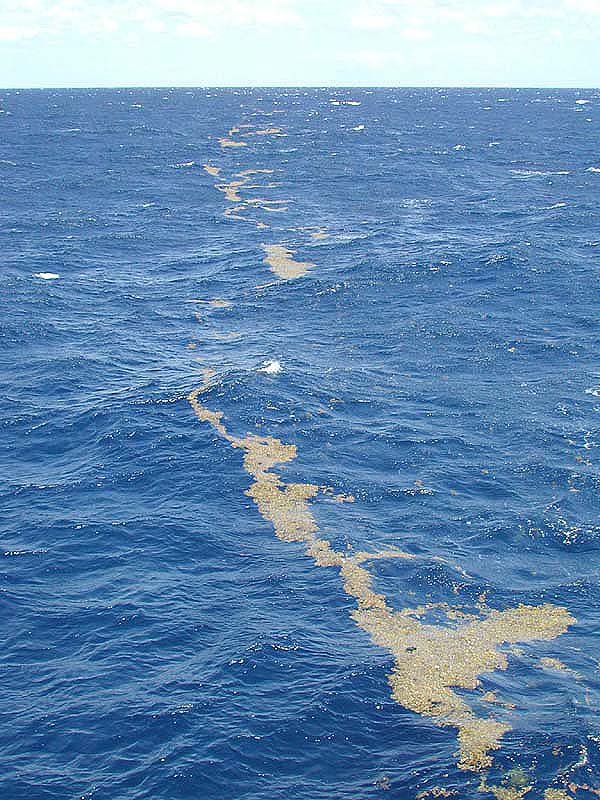
Spotting a productive weed line comes down to reading visual cues: a color change, weed density, circling birds, and floating debris. Here is how to actually find and work sargassum lines from the boat, not just why fish gather there.
-
Trolling for Mahi Mahi: Speed, Spread, and Setup Explained
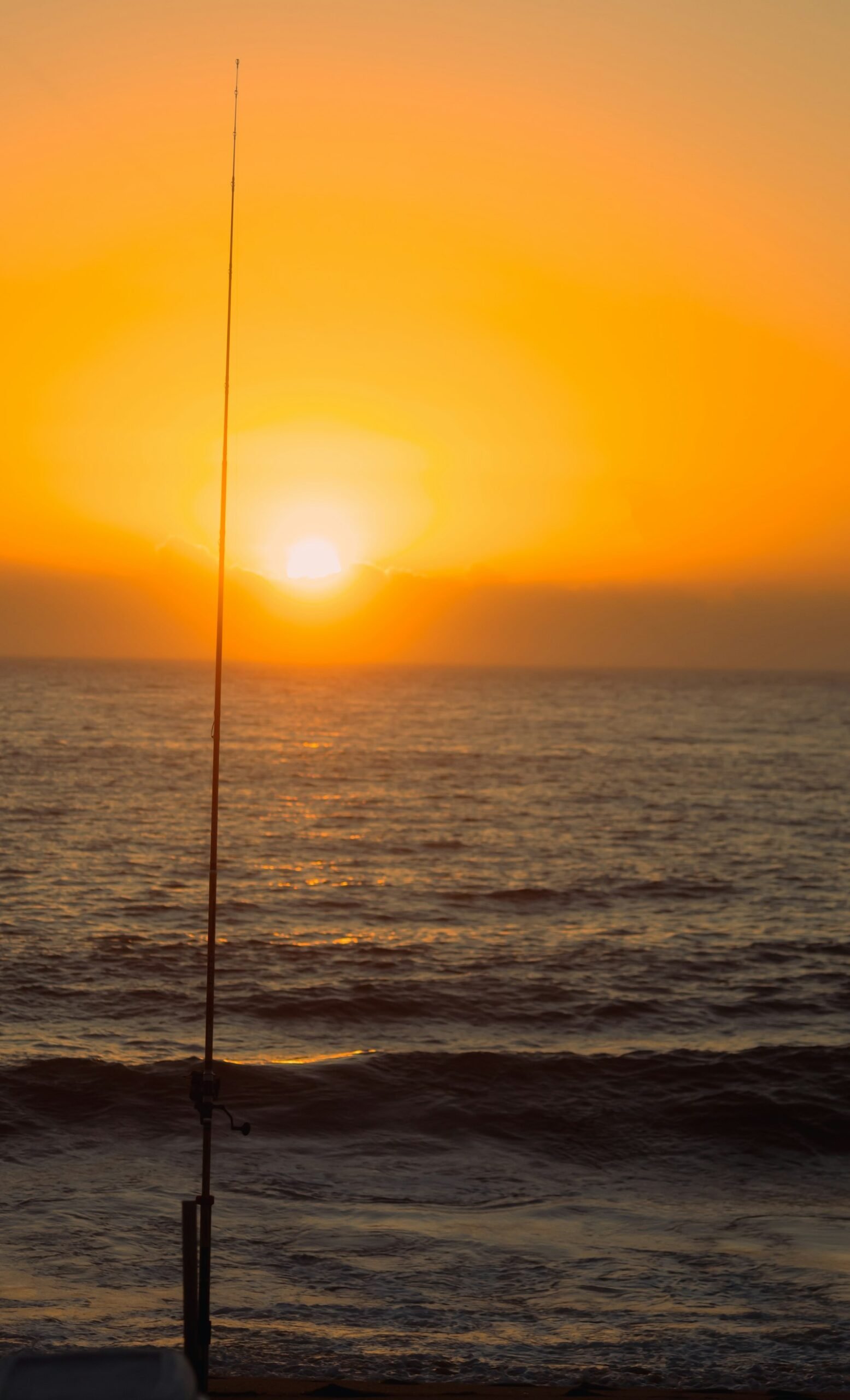
A productive mahi mahi spread runs 4 to 6 lines at 6 to 8 knots, staggered from 30 feet to over 150 feet back. Here is exactly how to build that spread, position each line, and adjust it for sea conditions.
Archives
- August 2026 (93)
- June 2017 (8)
- January 2017 (1)
- December 2016 (4)
- November 2016 (4)
- October 2016 (4)
- September 2016 (1)
- August 2016 (1)
- July 2016 (1)
- June 2016 (1)
- April 2016 (7)
- March 2016 (5)
- February 2016 (1)
- January 2016 (3)
- December 2015 (2)
- November 2015 (3)
- October 2015 (4)
- September 2015 (1)
- August 2015 (6)
- July 2015 (5)
- June 2015 (7)
- May 2015 (4)
- April 2015 (2)
- March 2015 (3)
- February 2015 (2)
- January 2015 (3)
- December 2014 (2)
- November 2014 (2)
- October 2014 (2)
- September 2014 (3)
- August 2014 (4)
- June 2014 (3)
- May 2014 (1)