
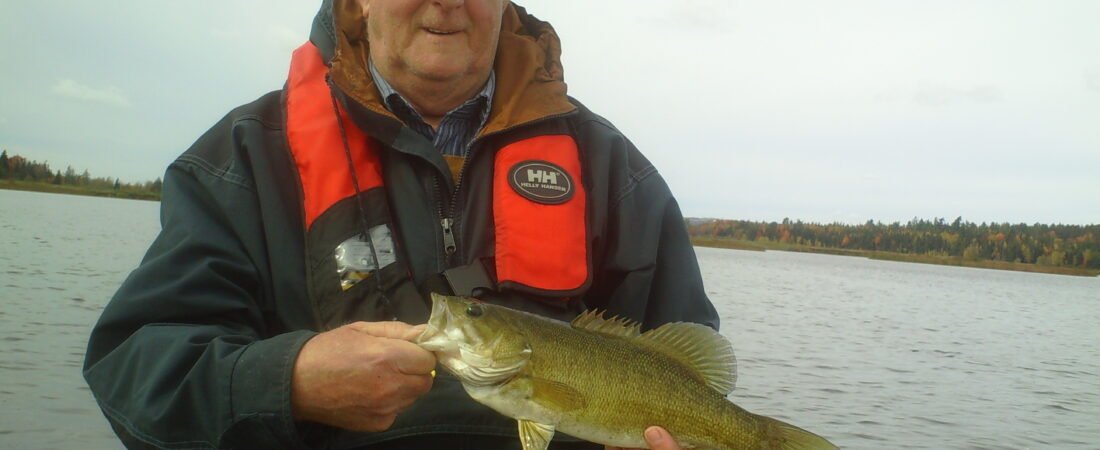
Smallmouth bass carry an older name that still shows up in state law books, fisheries journals, and outdoor writing more than two centuries after the fish itself was first described: black bass. It is not a separate species, and it is not really a comment on color. This article traces where “black bass” came from, how “smallmouth” split off as its own qualifier, and why the umbrella term is still doing real legal work today, defining bag limits for smallmouth, largemouth, and spotted bass together across much of the country.
What Does “Black Bass” Actually Mean?
Black bass is the informal common name for the entire genus Micropterus, the group that includes smallmouth, largemouth, spotted bass, and several lesser-known regional species. It does not refer to one particular fish or to a specific color. Every smallmouth bass is technically a black bass, just as every largemouth and spotted bass is, but not every black bass is a smallmouth.
The term shows up in two very different contexts today. One is older, casual American usage from the 1800s and early 1900s, when “black bass” was simply the everyday name anglers used. The other is modern regulatory language, where state agencies still find a genus-wide category useful for writing one rule that covers several similar-looking species at once, smallmouth included.
Where Did the Name “Black Bass” Come From?
Black bass entered common use in the 1800s as American naturalists and anglers needed a name for Micropterus species that set them apart from the many unrelated fish already called bass, including striped bass, white bass, and assorted saltwater species. The name likely nodded to the dark, sometimes almost blackish coloration these fish can take on in tannin-stained, heavily vegetated water, even though smallmouth bass in clear rivers and lakes typically run bronze to olive rather than black.
The book most responsible for cementing the term in American angling culture was Dr. James A. Henshall’s Book of the Black Bass, published in Cincinnati in 1881. Henshall, a physician and lifelong angler, devoted nearly 180 pages to the biology, tackle, and technique for what he simply called “the black bass,” treating smallmouth and largemouth as two species within one shared body of expertise rather than separate subjects. The book was influential enough that a more recently described black bass species, the Alabama bass (Micropterus henshalli), was later named in Henshall’s honor.
How Did “Smallmouth” Become Its Own Name?
Smallmouth became the standard qualifier because it described the single clearest physical difference between the two most familiar black bass species: a jaw that stops at or before the back of the eye, rather than extending well past it. Once anglers began targeting the two species differently, since they favor different water and fight differently, a genus-wide name stopped being precise enough for everyday conversation.
Older field guides and government fish records sometimes listed the species under fuller transitional names such as “smallmouth black bass” or “small-mouthed black-bass,” a label that kept the original genus name attached while adding the newer, species-specific qualifier. Those fuller names have mostly fallen out of everyday use, but they still surface in older hatchery ledgers, historical stocking records, and some state agency archives.
“Inch for inch and pound for pound, the gamest fish that swims.”
Dr. James A. Henshall, Book of the Black Bass, 1881The Most Quoted Line in Bass Fishing Was About “Black Bass,” Not Just Smallmouth
Henshall’s 1881 book produced what may be the single most repeated sentence in American bass fishing writing, describing the fish as, inch for inch and pound for pound, the gamest fish that swims. He wrote that line about the black bass genus as a whole, not about smallmouth bass specifically, even though the quote gets attributed to smallmouth alone constantly in modern outdoor writing.
The mix-up is understandable. Smallmouth bass have long carried an outsized reputation for fighting hard relative to their size, so readers and later writers often assumed Henshall meant them alone. But read in its original context, the sentence was a statement about the entire genus he had just spent a full book describing, largemouth included.
Is “Black Bass” Still a Legal Term for Smallmouth Bass Today?
Yes. Many state fish and wildlife agencies still write bag limits, size limits, and season dates under a combined “black bass” category rather than listing separate rules for each Micropterus species, and smallmouth bass fall squarely inside that category everywhere the term is used.
New York’s statewide black bass regulations set a 12-inch minimum length and a five-fish daily limit for largemouth and smallmouth bass combined, with an open season that runs from mid-June through November 30. Outside that window, from December 1 until the season reopens, black bass fishing statewide is catch-and-release only using artificial lures, a rule written to protect fish through the winter and into the spring spawn.
Missouri, Texas, and several other states run similar combined “black bass” limits covering largemouth, smallmouth, and spotted bass together. For a detailed state-by-state regulatory table, see this site’s companion piece on why largemouth bass is also called black bass.
Do States Regulate Smallmouth Differently From Largemouth Under That Umbrella?
Yes. Even within a combined “black bass” framework, many states carve out species-specific rules for smallmouth bass, usually tied to its later, cooler-water spawn relative to largemouth bass in the same lake.
Wisconsin is a clear example. Its inland waters open largemouth bass season on the first Saturday in May but delay smallmouth bass season until the third Saturday in June, giving smallmouth roughly six additional weeks of nest-guarding protection. That gap exists because smallmouth bass generally spawn later and in cooler water than largemouth bass sharing the same system, so a single season date for both species would open one of them too early or too late relative to its spawn. Writing “black bass” into the law doesn’t stop a state from layering species-specific exceptions on top of it once biology calls for it.
Why Does This Naming History Matter to Anglers?
Understanding that “black bass” is a category, not a species, prevents a common source of confusion the first time someone reads a state fishing regulations guide: a combined daily limit or season listed under “black bass” applies to smallmouth bass even when the word “smallmouth” never appears in that specific line.
It’s a small piece of vocabulary, but it explains why the same fish can appear under three different names depending on where you encounter it: Micropterus dolomieu in a taxonomy chart, smallmouth bass on a lure package, and black bass in the regulations booklet that determines what you’re legally allowed to keep.
Frequently Asked Questions
Is a smallmouth bass a type of black bass?
Yes. Black bass is the informal umbrella name for the genus Micropterus, and smallmouth bass is one of the species inside it, alongside largemouth, spotted, and several regional black bass species.
Why is it called black bass if the fish isn’t black?
The name reflects the dark, sometimes almost blackish coloring these fish can show in tannin-stained or heavily vegetated water, but it was always a genus-wide label rather than a literal description of any individual fish’s color, and smallmouth bass are typically bronze to olive rather than black.
Who wrote “inch for inch and pound for pound, the gamest fish that swims”?
Dr. James A. Henshall wrote the line in his 1881 book, Book of the Black Bass. He was describing the black bass genus as a whole, not smallmouth bass specifically, even though the quote is frequently attributed to smallmouth alone today.
Do fishing regulations really still use the term “black bass” for smallmouth?
Yes. Several states, including New York, Missouri, and Texas, set combined bag limits, size limits, or season dates under a “black bass” category that includes smallmouth, largemouth, and often spotted bass together.
What’s the difference between “black bass” and “smallmouth black bass”?
“Black bass” is the genus-wide umbrella term. “Smallmouth black bass” is an older, fuller version of the species name that combined the genus-wide label with the smallmouth-specific qualifier. It has mostly been shortened to simply “smallmouth bass” in modern usage.
Is smallmouth bass named after the person Alabama bass is named for?
No, that honor belongs to a different species. Micropterus henshalli, the Alabama bass, was named after Dr. James A. Henshall in recognition of his influential 1881 book on the black bass genus. Smallmouth bass had already been named decades earlier, by Lacepede in 1802.