
A fishing calendar tells you what’s generally biting in a given month. It won’t tell you what the water is doing this week — and in a fishery as dynamic as La Paz, that gap matters. We’ve seen years where a warm-water push moved the dorado bite two weeks early, and years where a cold snap in January shut the yellowtail down for a week straight. If you’re planning a trip and want to know what to actually expect, here’s how to check current conditions like someone who’s done it for a living.
1. Check Water Temperature First
Water temperature is the single biggest driver of what’s around, and it’s worth checking in actual degrees rather than just “warm” or “cool.” Dorado and the other warm-water pelagics generally need the surface pushing past 78°F before they show up in numbers — below that, you might mark bait and birds working but no dorado under them. Yellowtail prefer the opposite: they hold in the upper 60s to low 70s, which is why they’re a winter fish here and largely disappear once the water climbs into the mid-70s and beyond. A quick check of a sea-surface-temperature site for La Paz before you book, or again right before you travel, tells you which side of those lines the water is currently sitting on — which is often a better predictor than the calendar date alone, especially in a shoulder month like April or November when the season could tip either way.
2. Check Wind and Sea State
La Paz sits on the Sea of Cortez side of the peninsula, which is more sheltered than the open Pacific side, but wind still matters — especially for reaching the outer grounds like El Bajo and the 88 Bank. A marine weather forecast will show wind speed and direction about a week out. Strong north winds moving through in winter are the main reason fishing shifts inshore that time of year.
There’s also a local pattern worth knowing about specifically: the Coromuel, a westerly wind that builds most evenings in the warmer months and blows through the night before typically laying down by mid-morning. It’s why summer mornings here often start brisk with a following sea, then go glassy by 10 or 11am. It’s a completely normal, predictable part of the local weather — not a storm system — but if you’re checking a generic wind forecast and see numbers that look higher than expected for an early-morning La Paz departure in summer, this is almost always why. If a forecast shows something stronger and less predictable than that on your dates, it’s worth asking your captain whether the plan is to fish protected water instead of running offshore.
3. Check Tides and Solunar Timing
Once you know the water’s warm enough and the wind is manageable, tides and moon phase decide the finer details of when the bite turns on during the day. Feeding activity tends to cluster around tide changes and major solunar periods — a falling tide pulling bait off a point, or a moonrise/moonset window lining up with first light. A tide chart for La Paz won’t tell you what species are around, but paired with the calendar and current water temp, it rounds out the picture of when to be on the water, not just where, and it’s part of why an experienced captain will sometimes push a departure time earlier or later than the “standard” start.
4. Read Recent Fish Reports — With a Grain of Salt
Local fish reports and captain logs are useful for spotting a trend: three straight weeks of dorado showing up on the same grounds tells you something real about where the water and bait have set up. A single exceptional day, good or bad, tells you less — ocean conditions and luck both swing wide on any given trip, and a report written the day after a red-hot bite or a blown-out skunk isn’t necessarily representative of what your trip will look like next week. Read reports for the pattern over the last couple of weeks rather than the headline from yesterday, and pay more attention to which grounds and depths are producing than to the single biggest fish mentioned.
5. Ask the Fleet Directly
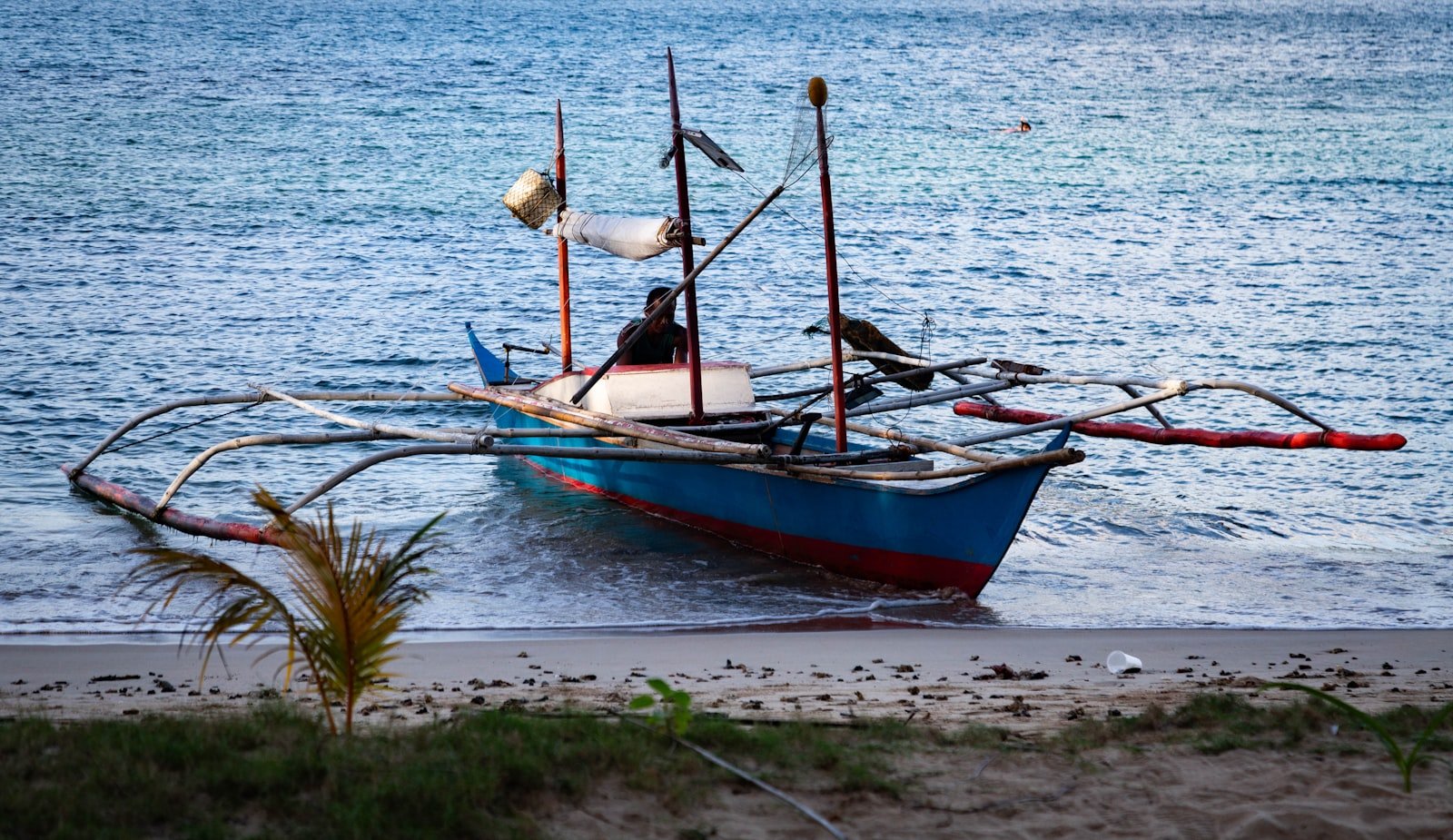
Websites and forecasts are a good starting point, but nothing beats talking to a crew that was on the water yesterday. We fish these grounds year-round, and if you’re weighing your dates or deciding between packages, reach out to us directly before you book. This is also the point to ask about boat type for your dates — a windier stretch of the calendar sometimes favors a bigger cruiser over a panga for comfort on the run out, and that’s the kind of call that’s easier to make with someone who was out there yesterday, not a forecast. We’d rather tell you honestly what’s been biting — and what hasn’t — than have you show up expecting a bite that moved on two weeks earlier.
Frequently Asked Questions
How far ahead can I reliably check conditions?
Water temperature and general seasonal patterns are useful to check weeks ahead. Wind and sea state forecasts are only reliable about 7-10 days out. For anything closer than that, a direct fish report or a call to the fleet is more accurate than any forecast.
Does bad weather mean the trip gets cancelled?
Not usually. La Paz Bay is fairly protected, so a windy stretch often just means fishing closer to shore instead of running out to the offshore banks — not cancelling the trip. Ask your operator about their weather policy before you book so you know what to expect either way.
What’s the most reliable single indicator?
Water temperature, hands down. It’s the clearest predictor of which species are actually present, more than the calendar date or even last week’s fish report. If you only check one thing before a trip, check that.
What is the Coromuel, exactly?
It’s a nightly westerly wind unique to the La Paz area, caused by the temperature difference between the Pacific side and the Gulf side of the peninsula. It builds in the evening, blows overnight, and typically dies down by mid-morning — a predictable local pattern, not a storm.