After enough seasons on this water, you stop thinking of La Paz as having a “fishing season” and start thinking of it as having twelve different ones. The Sea of Cortez side of the Baja peninsula is one of the few places on earth where something worth chasing is biting almost every month of the year — the trick is knowing which species, where to find them, and how to fish for them once you do.
This calendar is built from what actually shows up on the hooks in and around La Paz Bay, El Bajo seamount, the 88 Bank, and the channels off Espiritu Santo and Cerralvo Island. Treat it as a guide, not a guarantee — water temperature shifts a few degrees in either direction from year to year (an El Niño or La Niña year can push everything a week or two off schedule), and the ocean has never once read a calendar. But this is the pattern, season after season, and it’s the same pattern local captains plan their year around.
La Paz Fishing Calendar at a Glance
| Month | What’s Biting |
|---|---|
| January | Yellowtail, striped marlin, pargo, cabrilla, grouper |
| February | Yellowtail (prime), striped marlin, sierra, snapper |
| March | Yellowtail (tail end), roosterfish building, striped marlin |
| April | Roosterfish, dorado starting, sailfish arriving, yellowtail’s last good runs |
| May | Striped and blue marlin, roosterfish, dorado building, amberjack |
| June | Blue marlin, dorado schools moving in, tuna, wahoo, sierra |
| July | Dorado (peak), black and blue marlin, tuna, wahoo, big roosterfish |
| August | Dorado, black marlin, sailfish, wahoo, tuna in numbers |
| September | Tuna, dorado, sailfish, striped/blue/black marlin, wahoo — fall run building |
| October | Peak of the fall run — everything above, plus big roosterfish and dogtooth snapper |
| November | Fall bite tapering, yellowtail returning, tuna and marlin still around |
| December | Yellowtail building back in, inshore species take over, striped marlin possible |
Winter: The Yellowtail Season (November – April)
When the water drops into the upper 60s Fahrenheit, the warm-water pelagics thin out and the bay turns into yellowtail country. November through April is the best stretch of the year for them, and this is also the windiest part of the calendar — north winds push through the Sea of Cortez and keep a lot of the fishing inshore rather than out on the open banks. That’s not a downgrade. Yellowtail hold tight to structure — rock piles, current edges, bait balls pushed up against a point — and the technique for them is different from summer trolling: iron jigs worked vertically through the school, or a live mackerel or sardine dropped right down into the structure and left to do the work.
Winter mornings also fill the box with company. Pargo (dog snapper), cabrilla, grouper, sierra, and jack crevalle are all willing to bite on days the yellowtail go quiet, usually fished on bait rigs near bottom structure rather than trolled. Striped marlin don’t fully leave in winter — they’re here year-round — but they’re a bonus catch rather than the main event this time of year.
Spring: The Build-Up (Late March – Early June)
This is the transition, and it’s a good one. Roosterfish start showing up along the beaches and rocky points as the water climbs out of the 60s, and this is prime time to work topwater lures or a live mullet close to shore for them — watching a rooster’s dorsal comb break the surface behind a bait is one of the signature sights of a Baja spring trip. Dorado begin arriving with the first real warm-water push once temperatures cross into the mid-70s, and sailfish start their run around April. Yellowtail are still catchable early in the window but fade out by May as the water warms past their comfort range.
By late May, striped and blue marlin are both active on the offshore grounds, and amberjack fishing — heavy tackle, deep structure, real arm-work — is as good as it gets all year.
Summer: Peak Season (June – August)
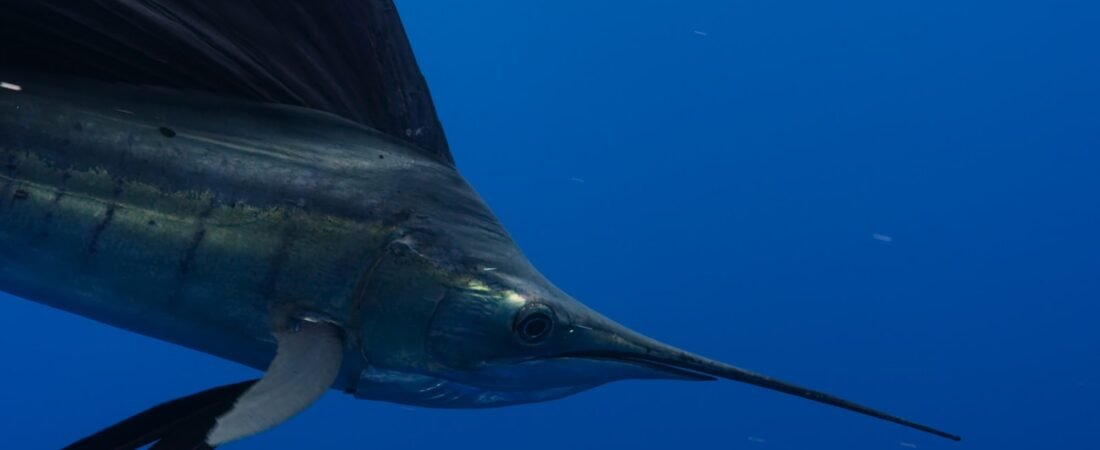
If you want the widest variety of species on a single trip, this is the window. Once surface temperatures push past 78°F, dorado schools move in thick and stay that way through August — trolling lures or skipping ballyhoo along current lines and floating debris is the standard play. Blue marlin fishing is at its best in June. Black marlin show up and stack in with sailfish, wahoo, and yellowfin tuna, and roosterfish get bigger as the season goes on.
One thing worth knowing if you haven’t fished La Paz before: summer mornings here start with the Coromuel, a local westerly wind that builds most evenings and blows through the night, usually laying down by mid-morning. It makes for a brisk, following-sea run out to the grounds at first light and keeps La Paz noticeably cooler than other towns on the Gulf side — locals consider it the reason summer here is fishable at all instead of just hot and still. Boats typically time their run to the grounds around it rather than fight it.
Fall: The Big Run (September – Early November)
Ask any captain who’s fished this bay for twenty years what their favorite stretch of the calendar is, and most will say fall. September through early November is the busiest, most productive window for top-water pelagics — tuna, dorado, sailfish, and all three marlin species (blue, black, and striped) are active at once, plus wahoo and the largest roosterfish and dogtooth snapper of the year. October in particular tends to be the single best all-around month, and it’s not a coincidence that most of the trophy photos on a season’s wall come from this stretch. Trolling covers the most water for marlin and wahoo, but if you want a shot at a triple-digit marlin, this is also when kite-fishing a live bait over El Bajo — teasing a fish up before it ever sees the boat — produces some of the most memorable bites of the year. The run tapers off as November wears on, and yellowtail start filtering back in to close the loop.
Frequently Asked Questions
What’s the single best month to fish La Paz?
If you had to pick one, most veteran anglers would say October — it sits at the peak of the fall run, with tuna, dorado, marlin, and wahoo all active at the same time. But “best” depends on what you’re after. If yellowtail is the target, that’s a winter trip, not a fall one.
Is there really a bad month to fish here?
Not really. La Paz is fished 365 days a year for a reason — there’s always something biting. The slower stretches (typically deep winter, when wind keeps boats closer to shore) just mean a different target species and technique, not no fishing.
Does the technique change with the season, or just the species?
Both. Winter yellowtail fishing is vertical jigging and bait-dropping over structure. Spring and summer pelagics are mostly trolled. Fall marlin fishing is where kite techniques come into play at El Bajo. If you have a technique you want to focus on, it’s worth mentioning it when you book — it can shape which season makes sense for your trip as much as the target species does.
How far in advance should I plan around the calendar?
The patterns above are reliable enough to plan a trip around, but conditions in any given week can shift with water temperature and wind. If your dates are flexible, it’s worth checking current conditions closer to your trip — we cover how to do that in our companion article on reading a La Paz fishing report before you book.
Want a read on how this season is actually shaping up right now, not just the historical pattern? Get in touch with our crew — we’re on this water year-round and can tell you exactly what’s been biting this week.