Fish Species Guide
Every angler has stood on a bank or a bow rail trying to decide if what just came over the gunwale is a keeper, a release, or a fish they’ve never handled before. Species identification isn’t trivia — it’s the difference between a legal harvest and a citation, a safe release and a spine through your thumb, a fish that goes in the cooler and one that goes back to spawn next season.
This guide catalogs the freshwater and saltwater species anglers actually encounter, built the way a fishing partner would explain it: the field marks that separate look-alikes, the water column and structure where each species holds, and the tackle that consistently produces. We’re building it species by species, starting with the fish anglers ask about most — the cards below without a live link yet are on the build list, not abandoned.
Browse the Species Library
Filter by habitat, or scroll through everything we’ve catalogued so far. Every card links to a full identification and tactics profile as it goes live.
Freshwater Species
 Freshwater
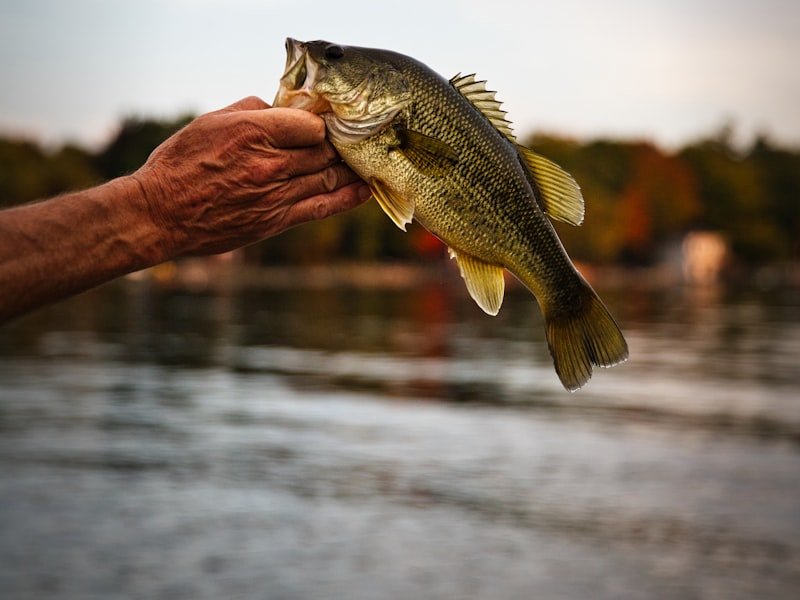
Largemouth Bass
North America’s most-targeted freshwater gamefish, known for explosive topwater strikes and heavy cover.
View species guide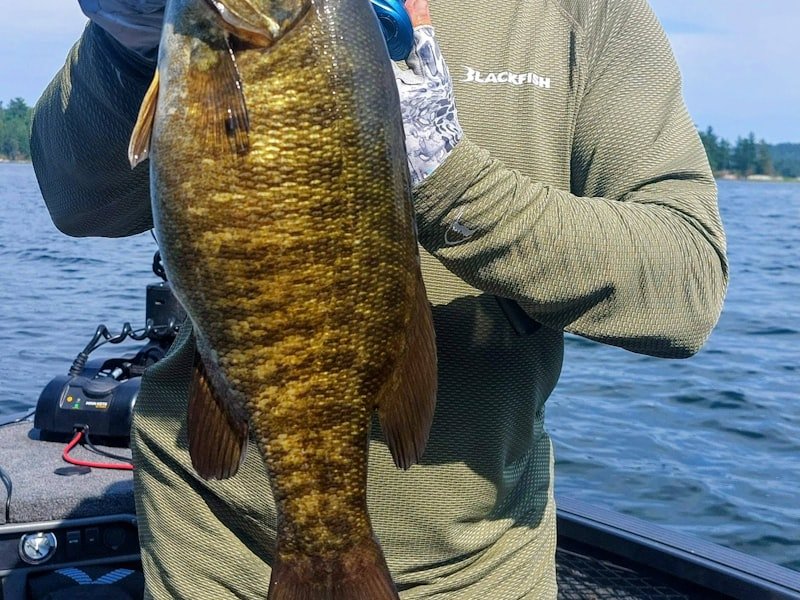 Freshwater
Smallmouth Bass
A river and rocky-lake specialist that pound-for-pound outfights its largemouth cousin.
View species guide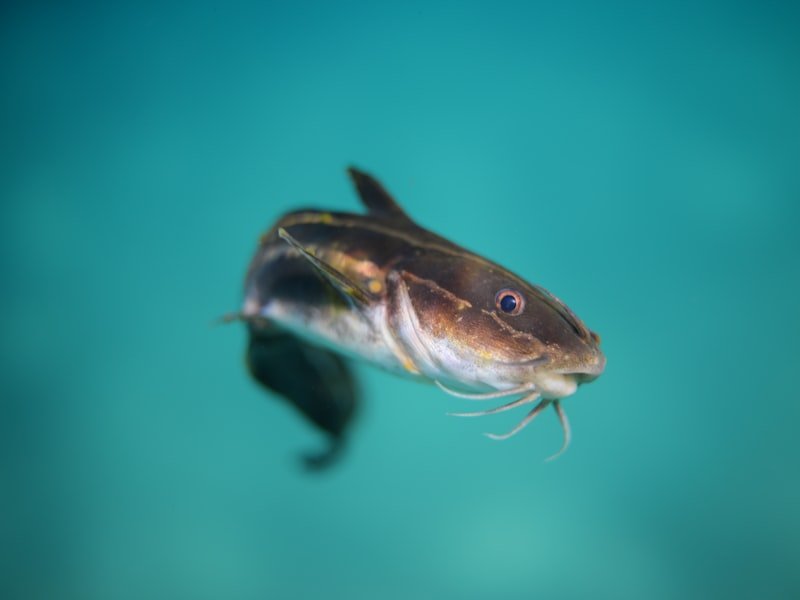 Freshwater
Catfish
A whiskered bottom-feeder that rewards patience with some of the biggest fights in freshwater.
View species guide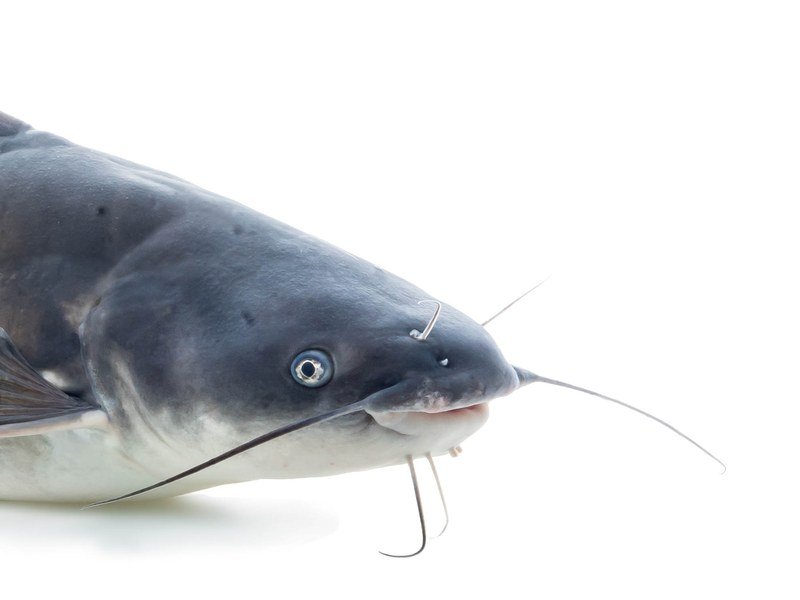 Freshwater
Blue Catfish
The biggest of the catfish family, capable of topping 100 pounds in the right river.
View species guide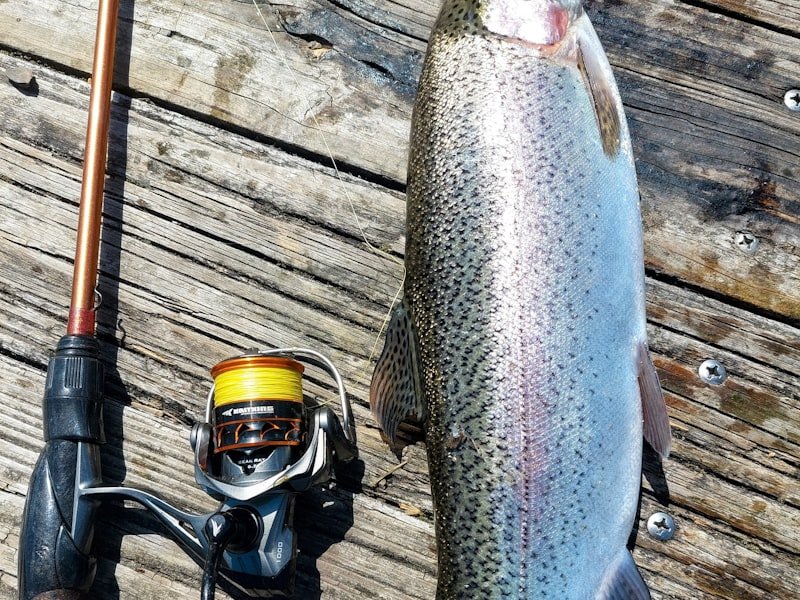 Freshwater
Rainbow Trout
A cold-water sight-fishing favorite, prized as much for the fight as the flavor.
View species guide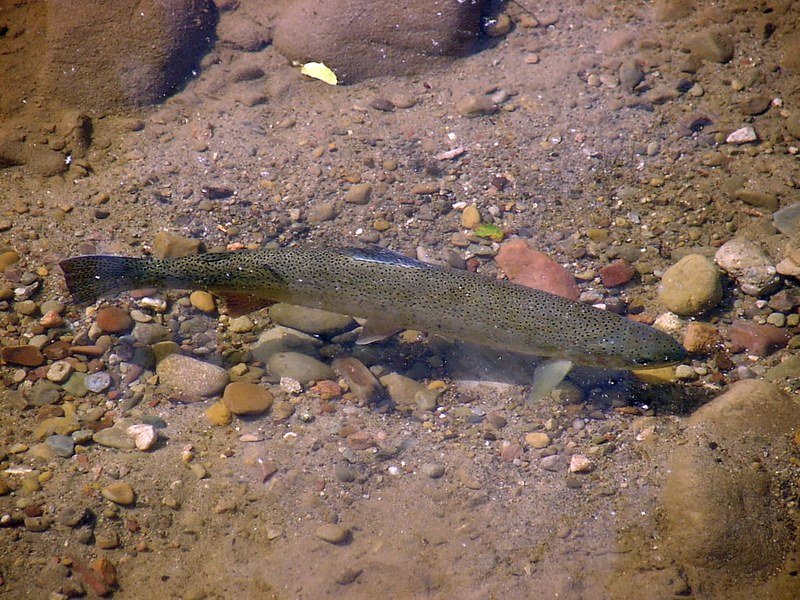 Freshwater
Steelhead Trout
An ocean-run rainbow trout that comes back to rivers pound-for-pound stronger than it left.
View species guide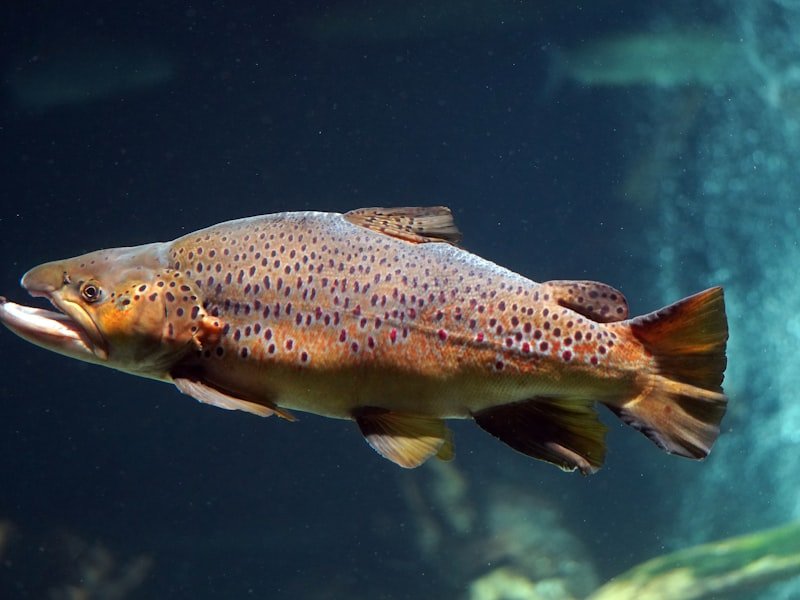 Freshwater
Brown Trout
A wary, spot-marked trout that separates patient anglers from lucky ones.
View species guide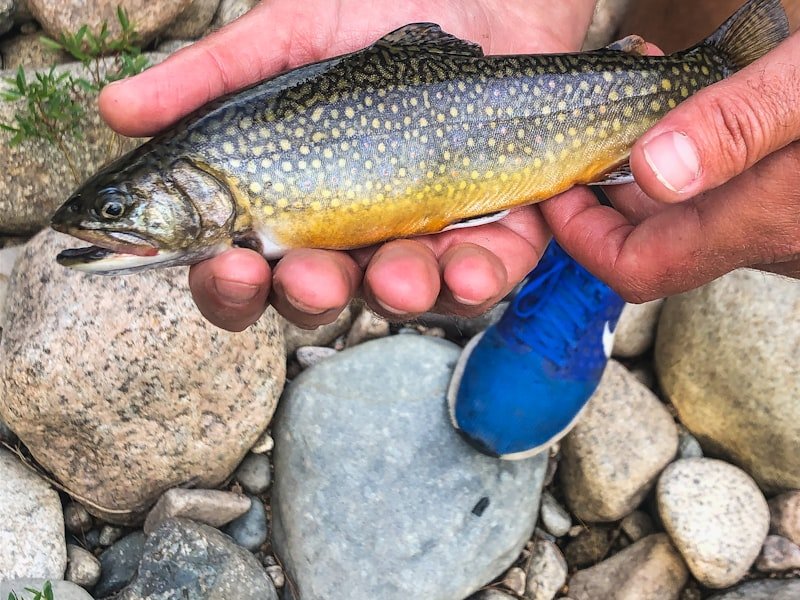 Freshwater
Brook Trout
A cold, clean-water native with the most vivid coloring of any trout in this guide.
View species guide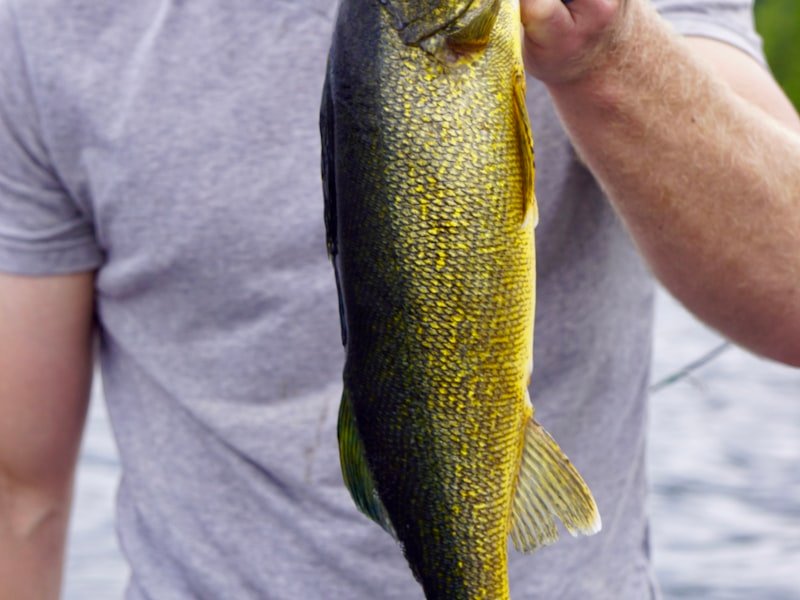 Freshwater
Walleye
A low-light predator with prized white fillets and a reputation for picky, technical bites.
View species guide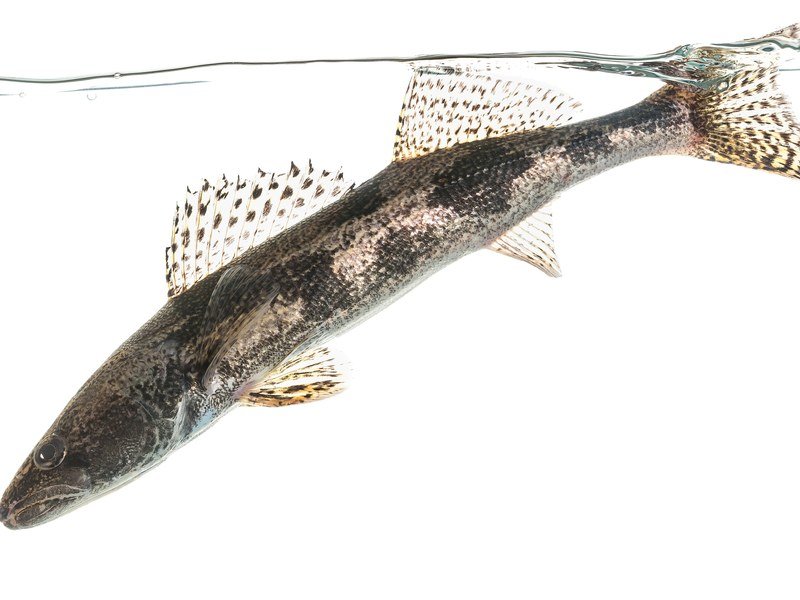 Freshwater
Sauger
Walleye’s smaller river-dwelling look-alike, and a genuine test of your identification skills.
View species guide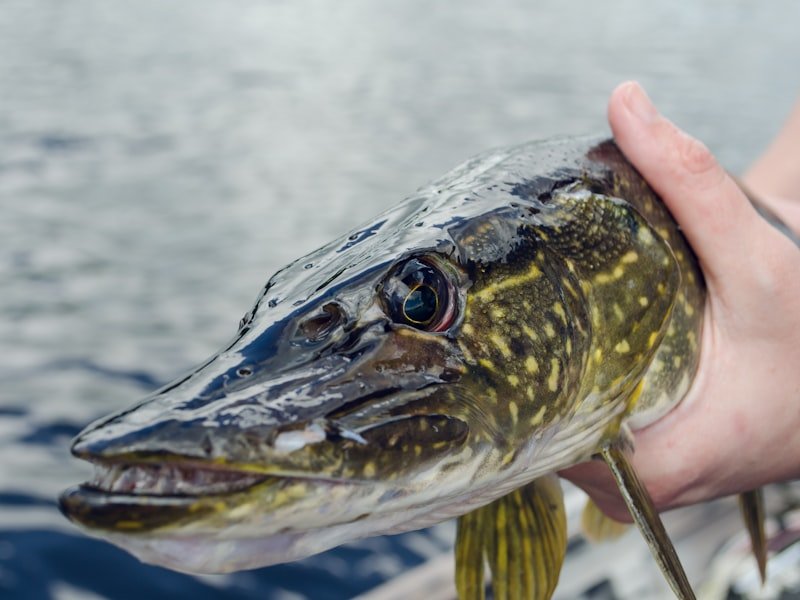 Freshwater
Northern Pike
An ambush predator with a mouthful of teeth and a strike that’ll test your leader.
View species guide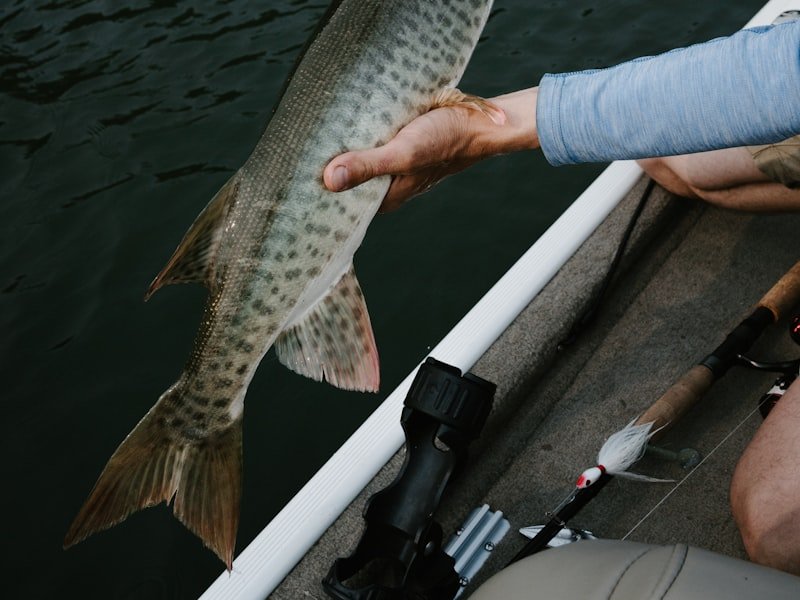 Freshwater
Muskellunge
The “fish of ten thousand casts,” an apex freshwater predator built to test your patience.
View species guide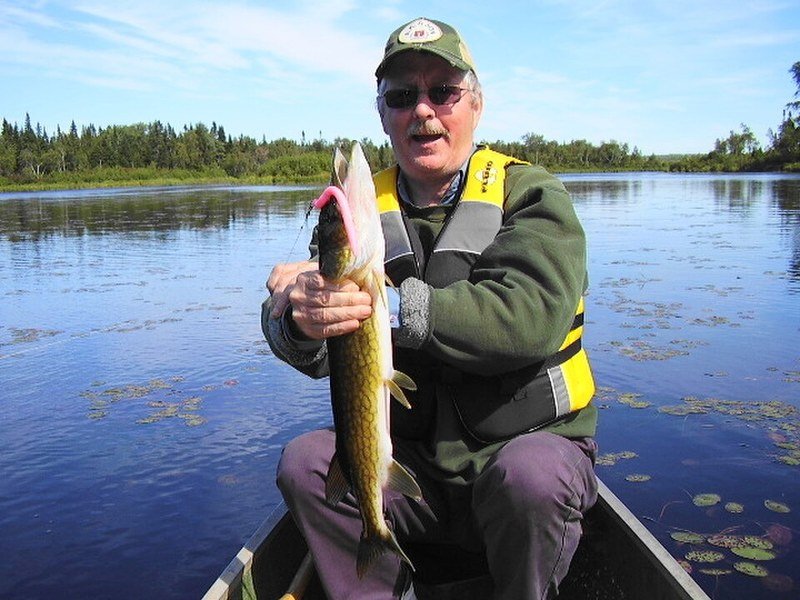 Freshwater
Chain Pickerel
A pike-family ambush predator with a chain-link pattern and a temper to match.
View species guide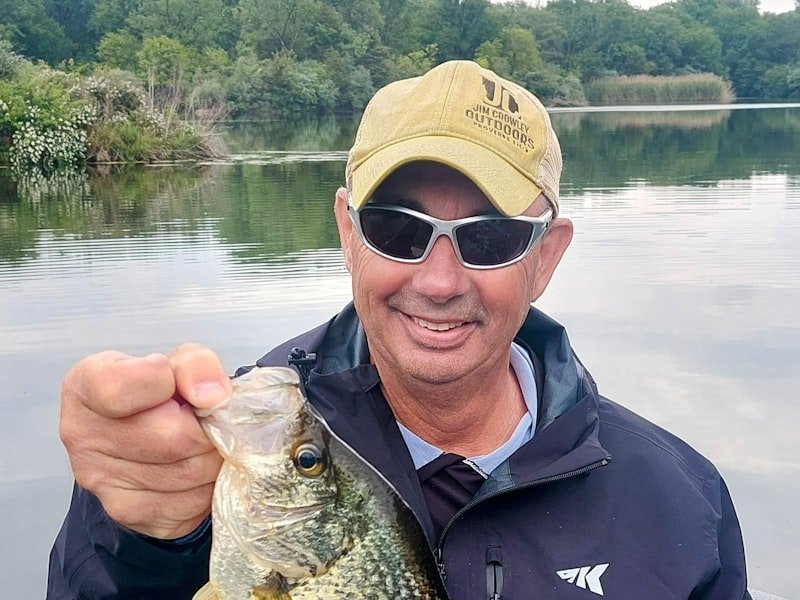 Freshwater
Crappie
A schooling panfish that stacks up around brush and dock pilings, and fills a stringer fast.
View species guide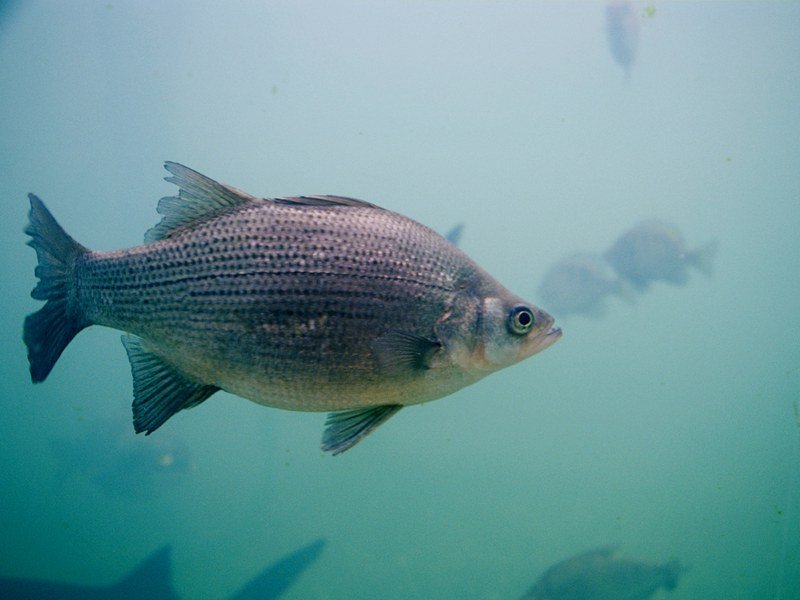 Freshwater
White Bass
A schooling open-water bass that turns a slow day into a fish-a-cast frenzy when it feeds.
View species guide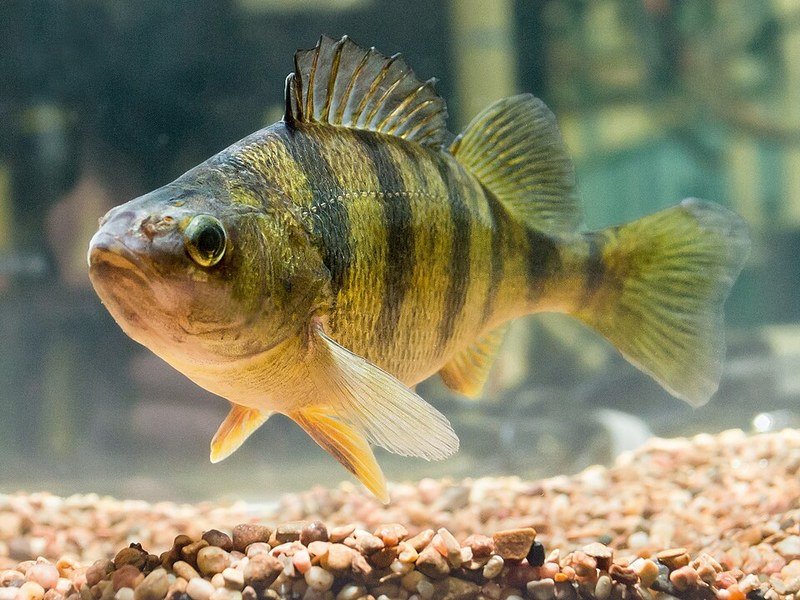 Freshwater
Yellow Perch
A striped, schooling panfish that bites through the ice as readily as open water.
View species guide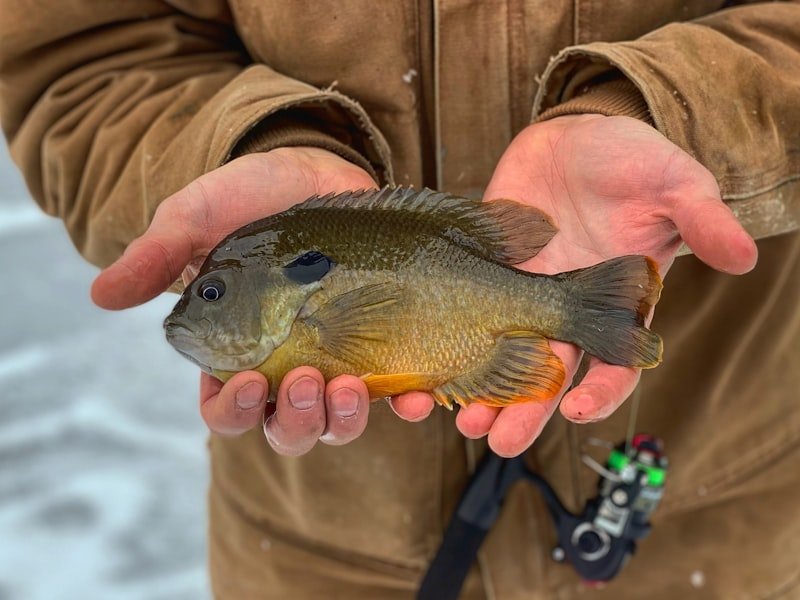 Freshwater
Bluegill
The panfish most anglers learn on, and still one of the most satisfying light-tackle catches.
View species guide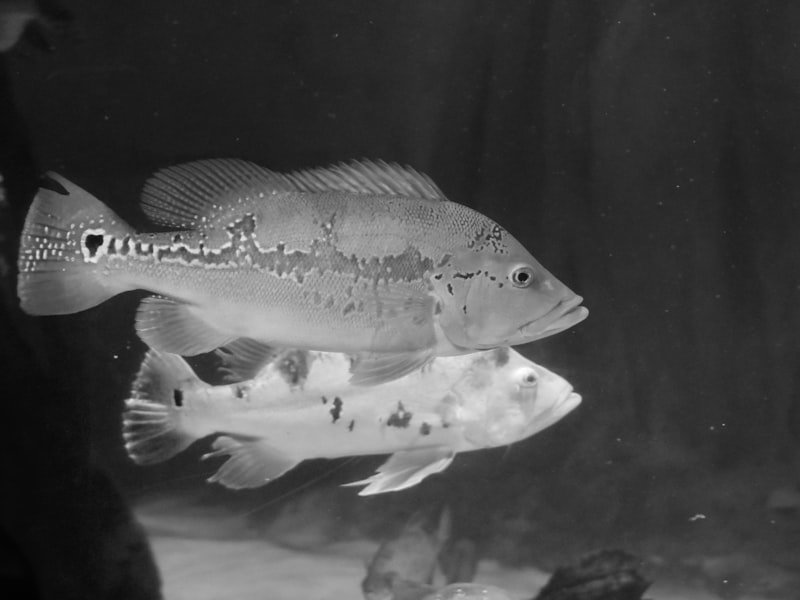 Freshwater
Peacock Bass
A transplanted, hard-striking predator that hits like something twice its size.
View species guide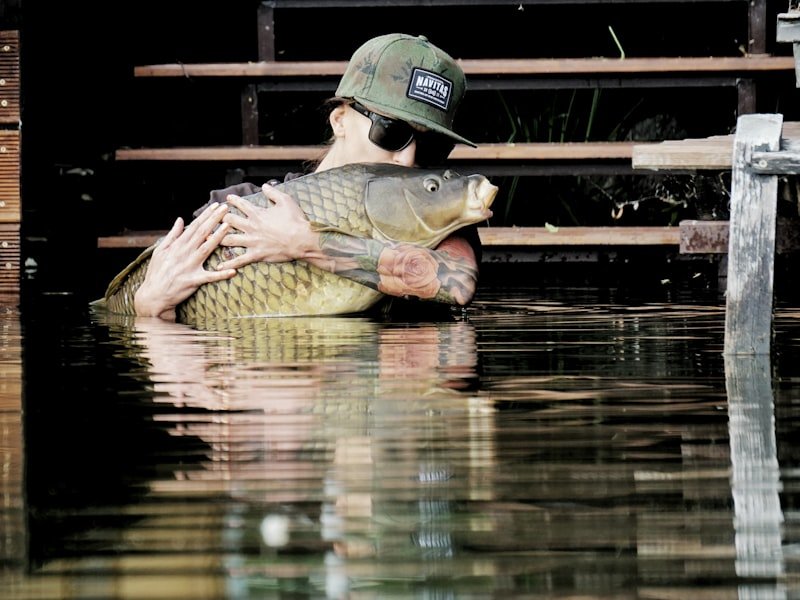 Freshwater
Common Carp
An underrated light-tackle target that pulls harder, pound for pound, than most anglers expect.
View species guide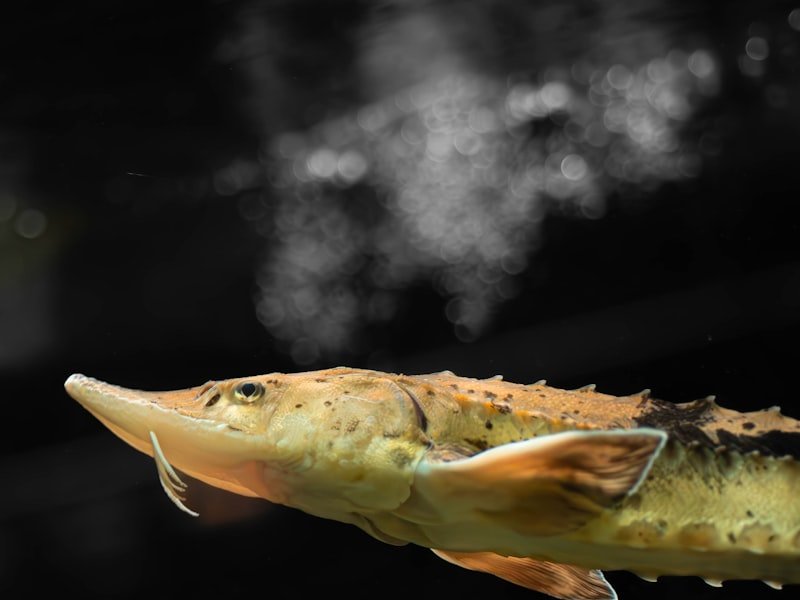 Freshwater
Sturgeon
A prehistoric, armor-plated giant that can turn a hookset into an hour-long fight.
View species guideSaltwater Species
 Saltwater
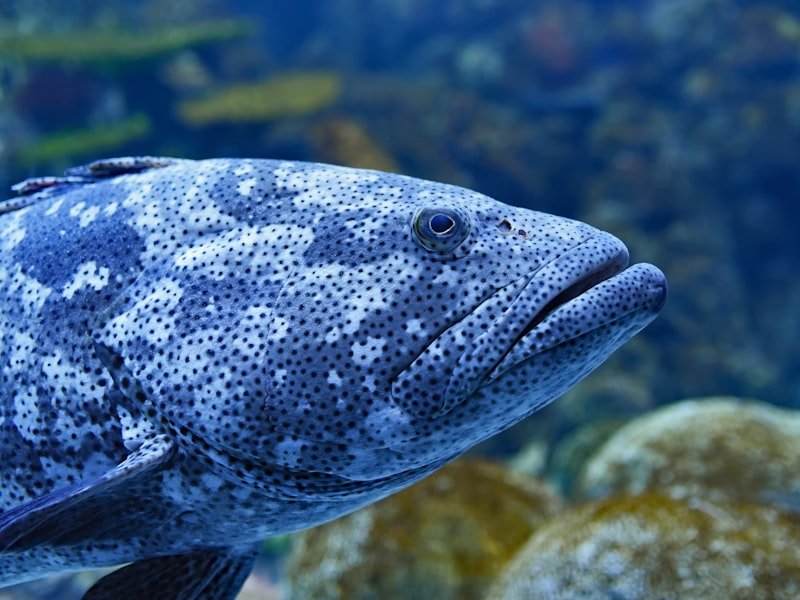
Grouper
A bottom-dwelling powerhouse that tests your drag the second it feels the hook and heads for structure.
View species guide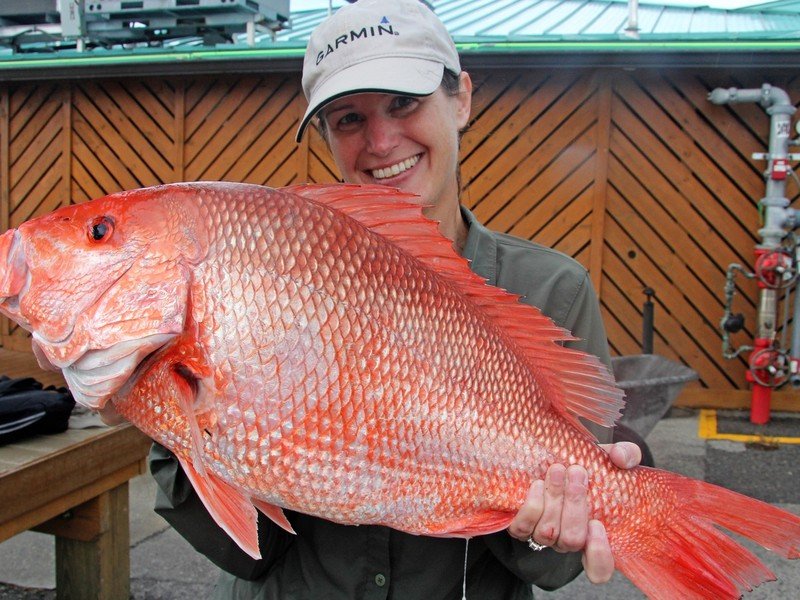 Saltwater
Red Snapper
A prized Gulf and Atlantic reef fish with a short, tightly regulated season worth planning around.
View species guide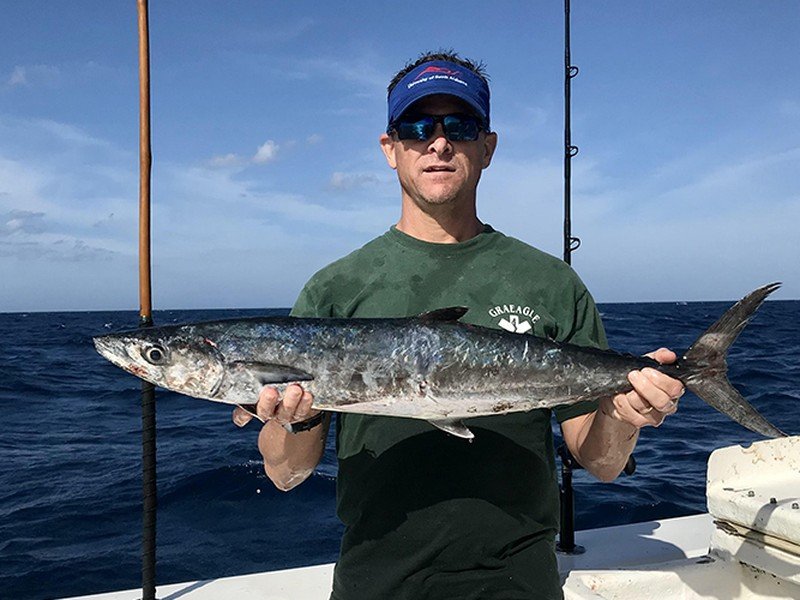 Saltwater
King Mackerel
A toothy, high-speed predator that turns a trolled bait into a screaming reel in an instant.
View species guide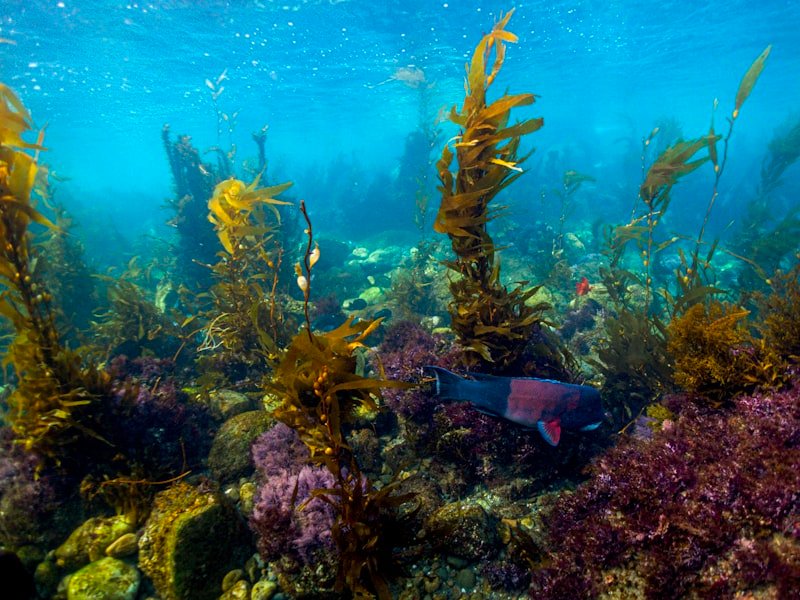 Saltwater
Sheepshead
A human-toothed structure feeder nicknamed the “convict fish” for its black-and-white bars.
View species guide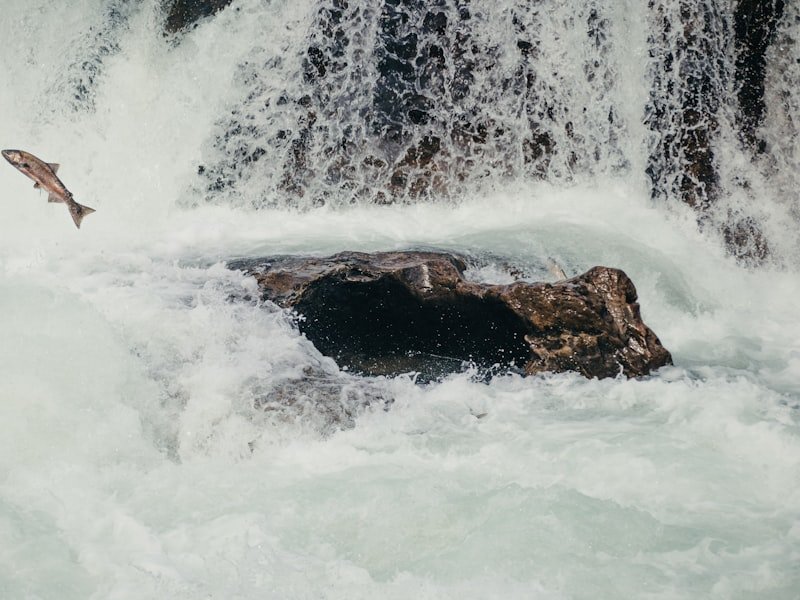 Saltwater
Salmon
An anadromous icon that runs from ocean to river, with a fight that scales to its migration miles.
View species guide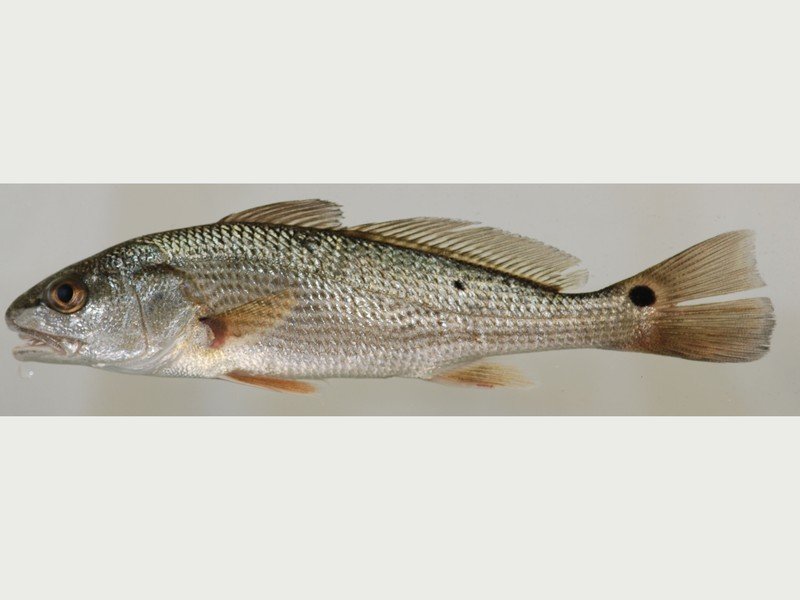 Saltwater
Redfish
A copper-scaled inshore staple, identified by the signature black spot near its tail.
View species guide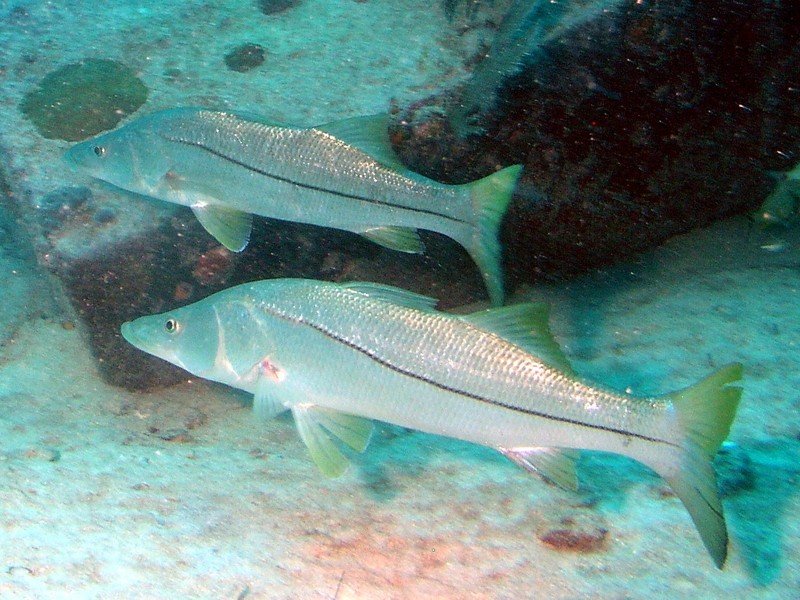 Saltwater
Snook
A line-shy inshore predator with a distinctive black lateral stripe and a hard-charging strike.
View species guide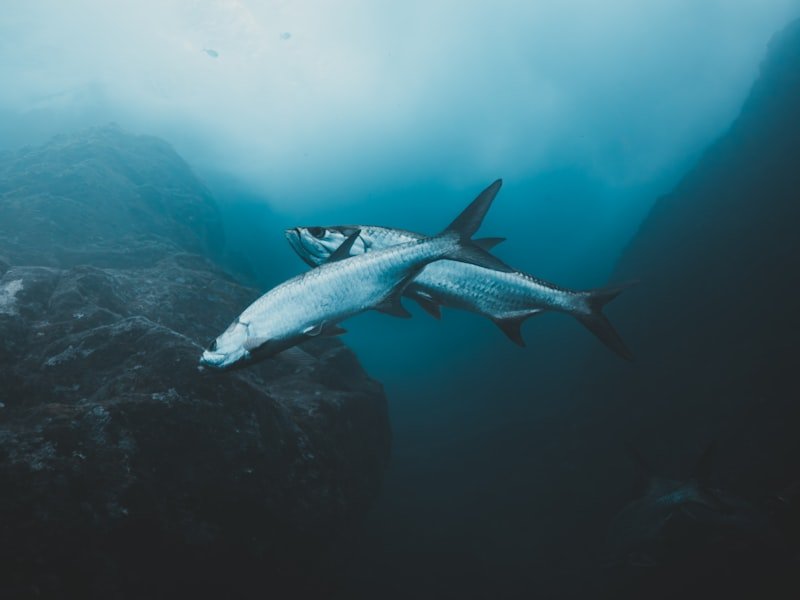 Saltwater
Tarpon
The “silver king,” an inshore giant known for its acrobatic jumps and armored scales.
View species guide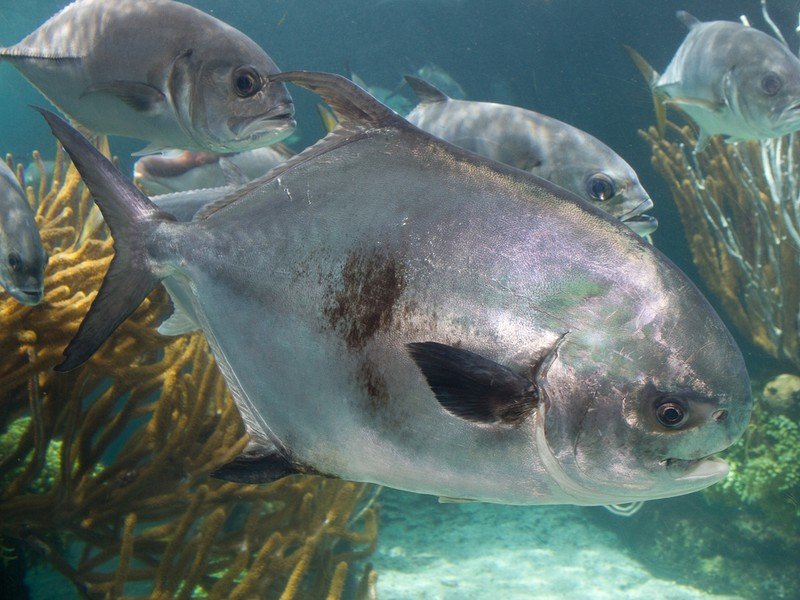 Saltwater
Permit
A flats gamefish so notoriously selective that landing one is considered a rite of passage.
View species guide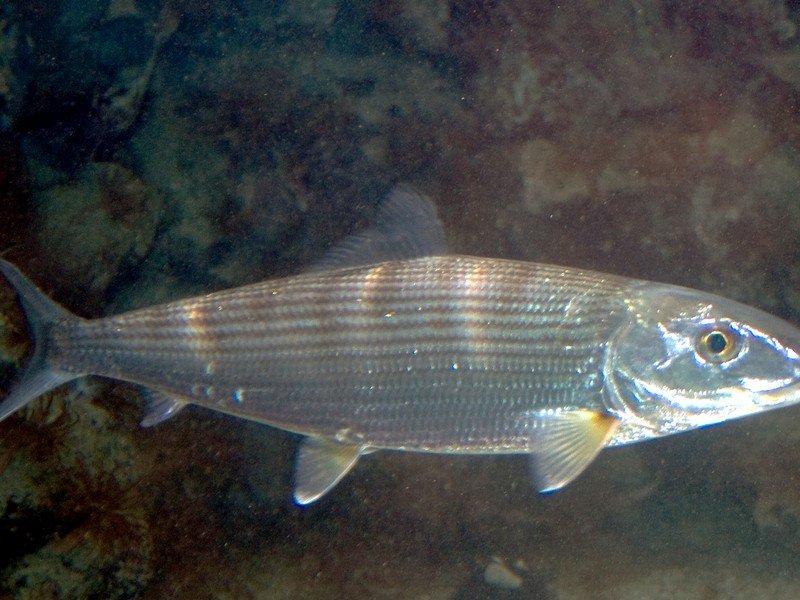 Saltwater
Bonefish
The “gray ghost” of the flats, prized for blistering speed over prized meat.
View species guide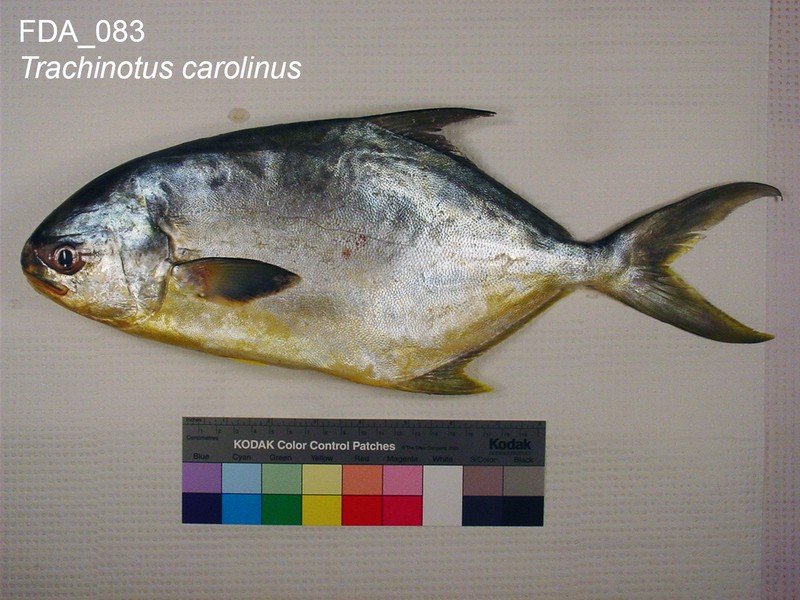 Saltwater
Pompano
A surf-zone favorite prized as much at the dinner table as on the line.
View species guide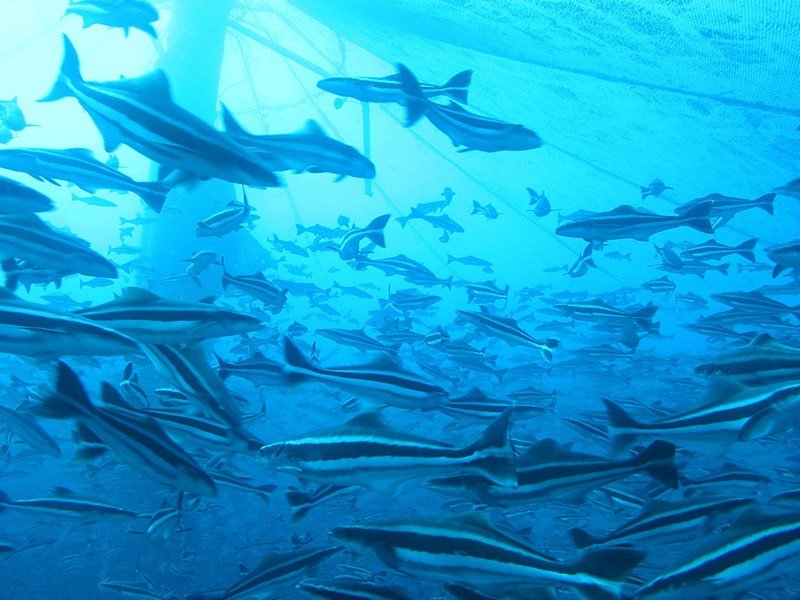 Saltwater
Cobia
A curious, structure-loving predator that will follow a boat right up to the hook.
View species guide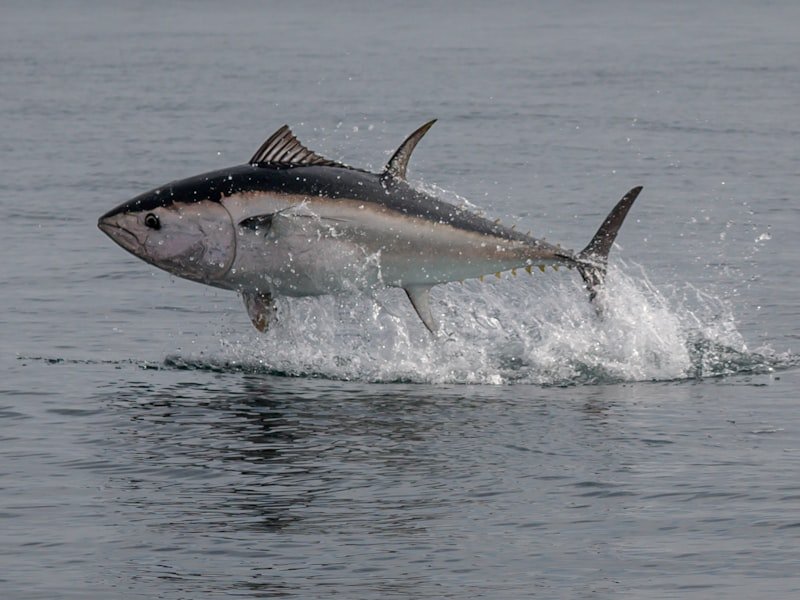 Saltwater
Bluefin Tuna
An offshore giant capable of covering ocean basins, built for anglers who fight fish in shifts.
View species guide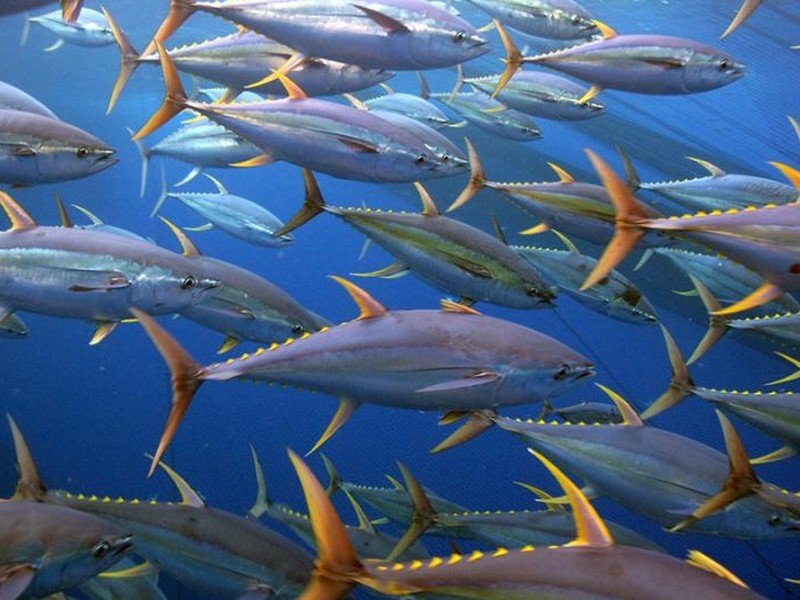 Saltwater
Yellowfin Tuna
A fast, powerful offshore tuna prized for both its fight and its sashimi-grade meat.
View species guide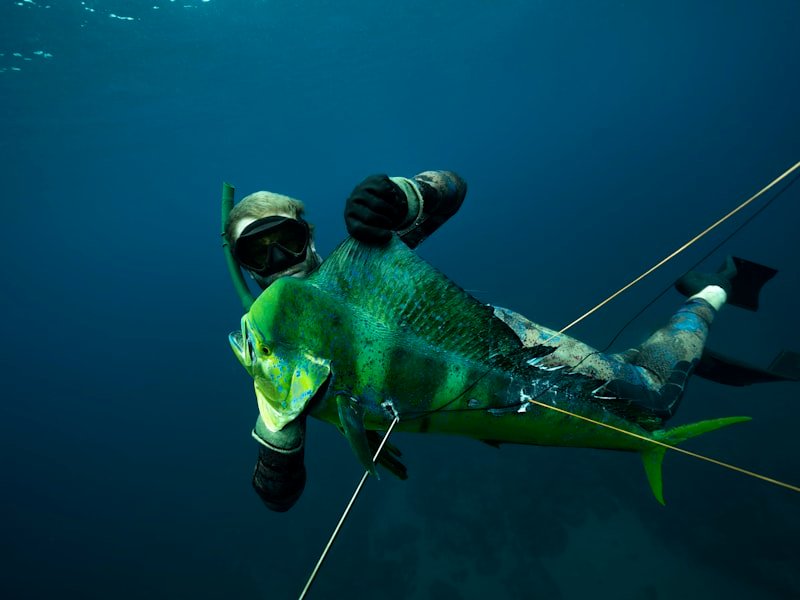 Saltwater
Mahi Mahi
A blue-water sprinter known for aerial jumps and some of the best table fare in the ocean.
View species guide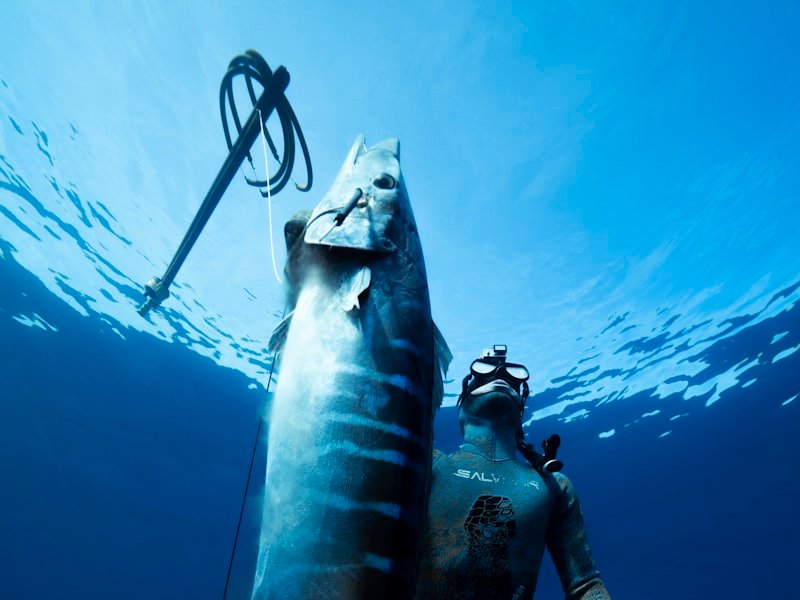 Saltwater
Wahoo
One of the fastest fish in the ocean, capable of blistering runs that empty a reel in seconds.
View species guide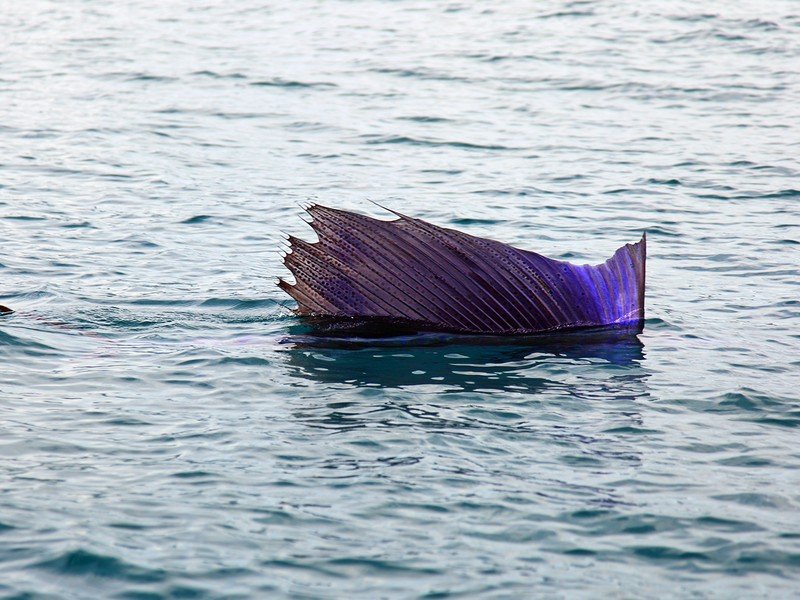 Saltwater
Sailfish
A billfish known for spectacular tail-walking jumps and a sail-like dorsal fin.
View species guide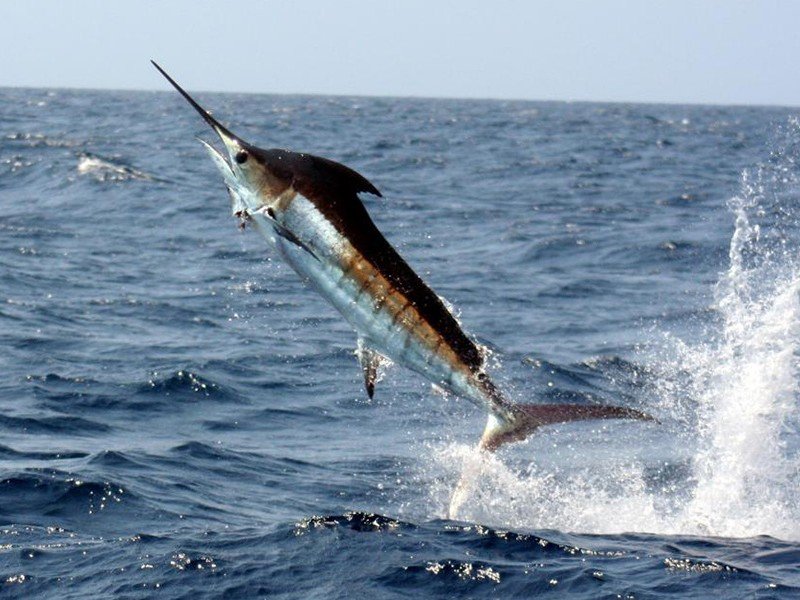 Saltwater
Blue Marlin
The bucket-list billfish for offshore anglers, built for long, punishing fights.
View species guide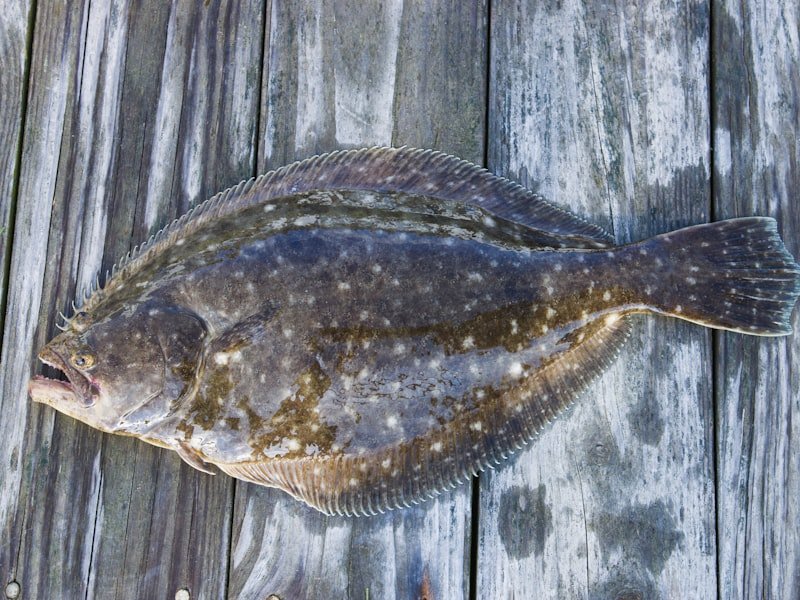 Saltwater
Flounder
A flatfish ambush specialist that lies buried in sand, waiting to strike from below.
View species guide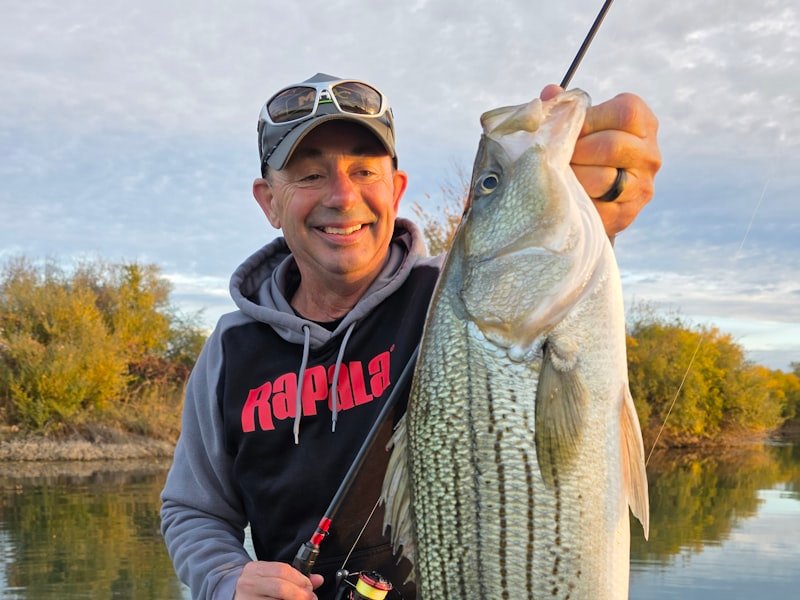 Saltwater
Striped Bass
An anadromous brawler that patrols both coastal surf and inland rivers depending on the season.
View species guideFrequently Asked Questions
How many fish species exist?
Ichthyologists have formally described more than 34,000 fish species worldwide, and new ones are still being documented. Sport anglers in North America realistically interact with a few hundred of those across freshwater and inshore/offshore saltwater environments — this guide focuses on the species that show up most often on hooks, not the full taxonomic list.
What’s the difference between freshwater and saltwater fish?
Freshwater species like largemouth bass, walleye, and catfish spend their entire life cycle in lakes, rivers, and streams with little to no salt content. Saltwater species like grouper, red snapper, and bluefin tuna live in the ocean and tolerate much higher salinity. A handful of species — salmon and striped bass among them — are anadromous, meaning they’re born in freshwater, migrate to saltwater to grow, and return to freshwater to spawn, which is why you’ll see them fished in both environments.
How do I identify a fish species I caught?
Start with three field marks: body shape, fin placement and count, and coloration or markings — most look-alike species split on one of these. Note where you caught it, including depth, structure, and water temperature, since habitat narrows the possibilities fast. Each profile in this guide leads with the specific marks that separate that species from its most commonly confused look-alike.
Do fish species regulations differ by state or region?
Yes, significantly. Size limits, bag limits, seasons, and even which species you’re legally allowed to keep can change at a state line, a county line, or a specific depth contour offshore. Always check your state wildlife agency or NOAA Fisheries for federal saltwater waters before you fish, since the notes in this guide are for identification, not a substitute for current regulations.
What’s the best way to learn fish identification as a beginner?
Fish a handful of local waters repeatedly rather than trying to memorize every species at once — you’ll naturally learn the two or three look-alikes you actually need to tell apart in your area. Keep a photo of anything unfamiliar, both sides if you can get it, and check it against a regional guide before you decide whether to keep or release.